Hebrew Analysis: Oil Behind the Targeting of Venezuela… “Drugs” as a Political Pretext for Trump
Yedioth Ahronoth reveals the geopolitical dimensions of the conflict: cutting the energy lifeline to China and Iran and reviving the “Monroe Doctrine” in a Trump-era version
NYN | Reports and Analyses
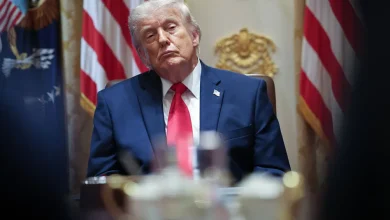
The Hebrew daily Yedioth Ahronoth revealed, in an analysis by Israeli researcher specializing in U.S. political history Kobi Barda, that the recent U.S. move against Venezuela and the arrest of its president, Nicolás Maduro, does not fall under the “war on drugs” as promoted by the administration of U.S. President Donald Trump. Rather, it comes within a broader geopolitical struggle aimed at controlling global energy resources and cutting vital supply lines to China and Iran.
“Drugs” as the Key… Oil as the Real Target
Barda argues that the rhetoric of “combating drugs and terrorism” is the easiest to market to public opinion and international law, but it conceals the real objective: paralyzing the Venezuelan system and drying up energy flows that had been reaching Beijing.
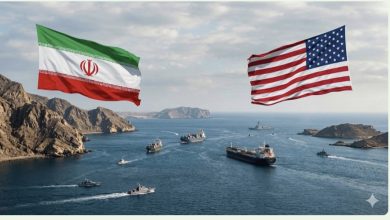
He notes that Trump has moved from the stage of threats to direct action, sending a dual message to Tehran and Beijing that challenging Washington will not come without a cost.
Reviving the “Monroe Doctrine” in a New Version
According to the analysis, Trump is reviving the Monroe Doctrine—which views Latin America as Washington’s “backyard”—with updates focused on striking Chinese influence.
Barda stresses that China relies on roughly 90% of Venezuelan oil to repay its debts, providing it with cheap and stable energy. Severing this link, he says, would shake China’s energy balance at the heart of its technological rivalry with the United States.
A Warning Message to Tehran
Barda considers the timing of Maduro’s arrest—after he ignored U.S. pressure—to be a “warning bell” for Iran, signaling that internal repression or defiance of Washington could lead to decisive military intervention.
Personal Alliances Instead of Institutions
The analysis points out that Trump does not operate through international institutions, but rather through a network of personal loyalties with leaders who share his approach, such as Javier Milei in Argentina, Nayib Bukele in El Salvador, and Nasry Asfura in Honduras. The goal, it says, is to isolate leftist forces (such as Lula da Silva in Brazil) and secure Latin America as a Western-aligned bloc.
Energy as the Basis of Global Supremacy
Barda concludes that controlling the flow of Venezuelan energy means controlling the “fuel of the future” linked to artificial intelligence and the semiconductor industry. He emphasizes that Venezuela is not so much a failed state as it is a strategic link that Trump seeks to cut in order to ensure Western superiority in the global struggle.
He ends by saying that “drugs were merely a key to open the door to controlling the world.”