The STC Accuses Saudi Arabia of Detaining Its Delegation in Riyadh, Demands Urgent Clarification
The council voices concern after losing contact with its delegation and speaks of a “contradiction” between calls for dialogue and military escalation in Al-Dhalea
NYN | Reports and Analyses
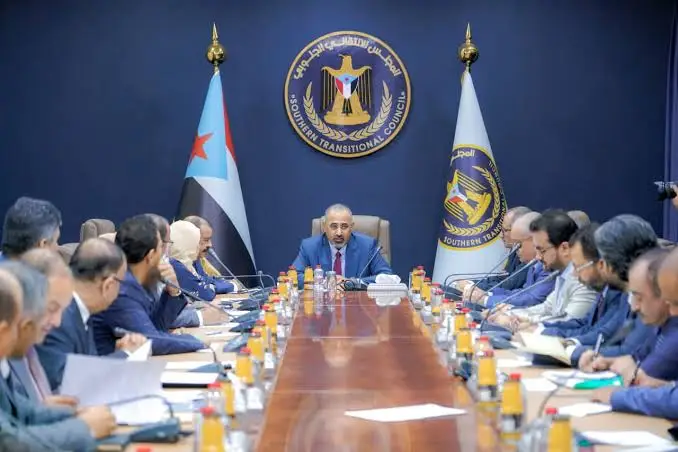
The Southern Transitional Council (STC) on Wednesday accused the Kingdom of Saudi Arabia of detaining its delegation currently in the capital, Riyadh, after communication with the delegation was lost following its arrival on an official Saudi invitation, amid rapidly unfolding security developments in southern Yemen.
Loss of Contact Raises Concern
In an official statement, the STC said it was expressing its “deep concern” over the loss of contact with its delegation that arrived in Riyadh, and the absence of any official information so far regarding its whereabouts or the circumstances surrounding it. The council said this ambiguity raises serious questions that require urgent clarification from the Saudi side.
Demands for Safety Guarantees and Communication
The council called on Saudi Arabia to guarantee the safety of its delegation and to immediately enable it to communicate, stressing the need to disclose the circumstances of what it described as “detention” and to put an end to the state of anxiety prevailing within its political and organizational circles.
Accusations of Contradiction and Escalation
In a related context, the STC accused Saudi Arabia of a contradiction between its invitation to the council for dialogue in Riyadh and what it described as military escalation represented by the shelling of Al-Dhalea Governorate. According to the statement, the bombardment caused widespread panic among unarmed civilians and resulted in a large number of casualties, most of them women and children.
Background to the Situation
These developments come in the wake of a purge campaign targeting figures and forces aligned with the United Arab Emirates in southern Yemen, further complicating the political and security landscape and raising questions about the future of regional understandings related to the Yemeni file.