A Weapons-Smuggling Corridor to Yemen and Sudan: Somalia Bans Emirati Military Flights
A Somali air ban on Emirati aircraft amid accusations of using Somali airports as transit hubs for arms transfers and for supporting separatist projects in the region.
NYN | Reports and Analyses
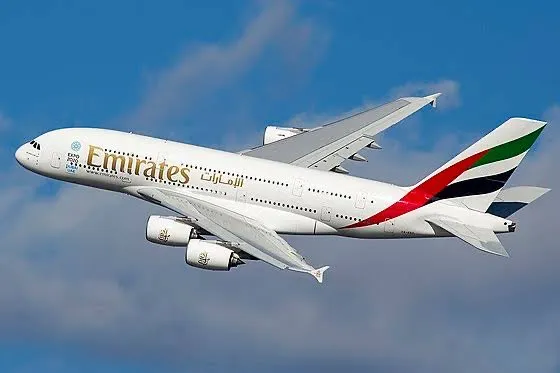
The Somali government announced a ban on all military and cargo aircraft belonging to the United Arab Emirates, or chartered by it, from transiting Somali airspace or landing at its airports, in a move described as an unprecedented escalation in relations between Mogadishu and Abu Dhabi.
Background to the Somali Decision
The decision comes against the backdrop of accusations that Abu Dhabi used Mogadishu Airport to secretly smuggle the head of the Southern Transitional Council, Aidarus al-Zubaidi, at a time when Saudi Arabia—according to informed sources—was planning to lure him to Riyadh and take measures against him.
Rising Tensions over “Somaliland”
The ban has strengthened the Somali government’s position following its failure to persuade the UAE to roll back its support for the separatist Somaliland project, especially after the Israeli occupation entity recognized the breakaway region, placing Abu Dhabi at the forefront of states likely to take a similar step.
Emirati Violation of the Air Ban
Despite the official decision, informed sources confirmed that the UAE paid no heed to the Somali ban and violated it at least twice, on Friday and Saturday, by operating military flights through Somali airspace.
A Transit Hub for Arms Transfers
Circulating information indicates that the UAE uses Somali airports and ports as transit and redeployment points to transfer weapons to militias loyal to it in southern Yemen, as well as to armed parties in Sudan—raising regional and international concerns about the repercussions of this role on the security and stability of the region.