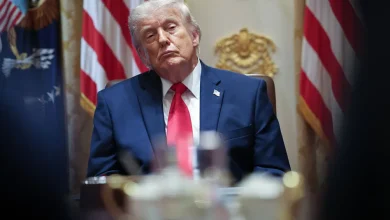
Israeli Expert: War Calculations and Electoral Considerations Drive Trump to Refrain from Striking Iran
Maariv: Fears of Sliding Into a Regional War and Domestic Losses Behind the U.S. Decision
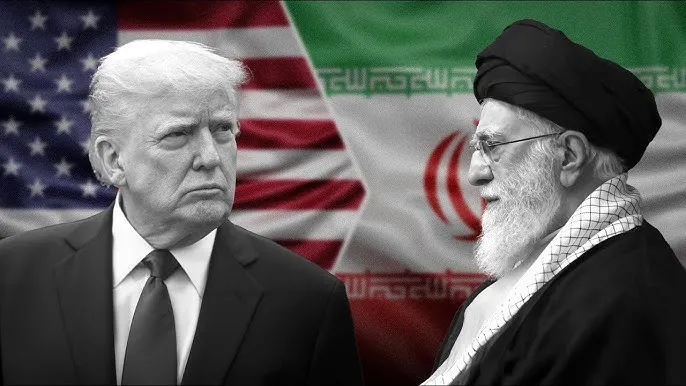
NYN | Reports and Analyses
A prominent Israeli military expert has revealed what he described as “serious and profound” reasons that led U.S. President Donald Trump to back away from launching a military strike against Iran, stressing that the decision did not stem from hesitation or weakness, but from a careful assessment of political and military risks.
Power Calculations and the Limits of Airstrikes
Major General (res.) Yitzhak Brick wrote in an article published by the Hebrew-language newspaper Maariv that Trump, who adheres to an “America First” policy, understands that air power alone is incapable of producing fundamental political change. He noted that past experiences have shown that military strikes often unify populations behind their leadership rather than weaken or overthrow them.
Fear of a Full-Scale Regional War
Brick explained that the U.S. president fears that any confrontation with Iran could spiral into a wide regional war, potentially spreading to Iraq, Lebanon, Syria, the Israeli occupation entity, and the Gulf states—meaning Washington would be dragged into a prolonged and costly conflict, a scenario Trump has pledged to avoid since coming to power.
Elections and Domestic Pressures
The Israeli expert pointed out that U.S. domestic considerations are a decisive factor in Trump’s stance, especially with the approaching midterm congressional elections. He warned that the outbreak of a new war or an economic crisis—such as the killing of U.S. soldiers or a surge in oil prices—could cost Republicans their parliamentary majority and open the door to possible impeachment proceedings against the president.
Between Political Image and Staying in Power
Brick concluded that Trump prefers to absorb a temporary setback to his political image rather than embark on a military adventure that could cost him his popularity and his grip on power, arguing that a loss of credibility can be managed through the media, whereas losing power cannot.