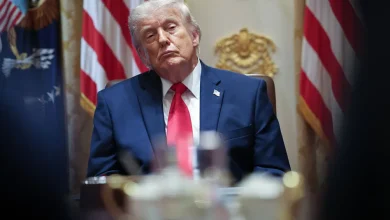
Iran and the United States Move Closer to a “Political Statement” After the First Round, as Tehran Sets Its Red Lines in the Muscat Talks
IRNA says realism is the dominant factor in this round, with negotiations focused on the nuclear file and sanctions relief
NYN | Reports and analyses
Iran’s official news agency IRNA reported that reaching a political statement following the first round of nuclear negotiations between Iran and the United States could represent a positive step that paves the way for a negotiating track different from previous rounds.
Greater realism and awareness of the costs of confrontation
The agency explained that both the Iranian and U.S. sides now have a clearer and more realistic understanding of the costs of escalation and confrontation, along with a mutual need to manage the crisis rather than push it toward an explosion.
A clear agenda and a focus on outcomes
According to IRNA, statements by Iranian officials indicate that Tehran entered the negotiations with a clear agenda and is proceeding based on a vision focused on tangible results rather than political maneuvering.
The nuclear file and sanctions relief at the top of the talks
The agency confirmed that the current round of negotiations is primarily focused on Iran’s nuclear program, alongside the lifting of economic sanctions, which Tehran considers a central pillar of any potential agreement.
Sanctions relief as Tehran’s “top demand”
Iran stressed—according to the agency—that its foremost demand in the Muscat negotiations is the lifting of economic sanctions in a manner that produces clear and tangible results on the ground, rather than through unenforceable commitments.
Enrichment inside Iran: a red line
IRNA noted that Iran has emphasized during the talks its legal right to enrich uranium on its own territory, considering this issue a red line that is not open to negotiation or restriction outside the framework of internationally recognized rights.
Rejection of preconditions and a warning against bad faith
Tehran also considers any attempt to impose preconditions on its nuclear program to reflect bad faith on the part of the other side, and to potentially weaken the chances of reaching an understanding.
A “realistic” agreement with clear guarantees
The agency concluded by stressing that Iran is seeking a realistic agreement that preserves its nuclear rights and lays the groundwork for sanctions relief, emphasizing that no agreement can be reached without mutual respect and practical commitment by the other party to its obligations.