Strait of Hormuz: Iranian Yuan-Based Fees Reshape Global Shipping
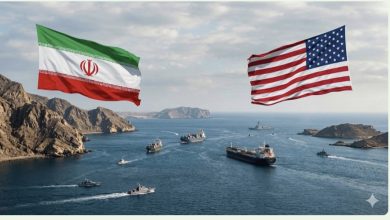
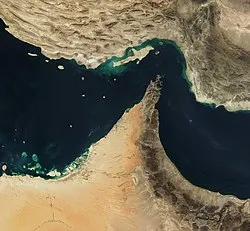
Attention is turning to the Strait of Hormuz, the vital artery of international trade, after it has effectively transformed into a militarized “toll gate” imposed by Tehran. Reports by Bloomberg reveal that commercial vessels and oil tankers now face a single option: pay Strait of Hormuz transit fees to ensure safe passage. This development is reshaping global maritime shipping routes.
NYN | Reports and Analyses
Paralysis of Navigation and Evasion Tactics
This shift has led to an almost complete paralysis of navigation through the strait. Traffic has dropped by more than 90% compared to previous levels. This decline has left thousands of vessels anxiously waiting in long maritime queues. Meanwhile, some major companies have resorted to extraordinary tactics.
These companies have attempted to change their vessels’ registration to fly the flags of countries considered “friendly” by Tehran. Pakistan, for instance, has sought to mediate on behalf of major commodity traders. This effort aims to secure temporary passage for large tankers. The situation reflects widespread panic across global supply chains and underscores the urgent need to maintain the flow of oil.
Legislating Control Through the Iranian Parliament
Iranian actions have not been limited to field-level coercion; they have taken on a formal legislative dimension. The National Security Committee of the Iranian Parliament has recently approved a bill aimed at imposing and regulating Strait of Hormuz transit fees. This move seeks to solidify Iran’s absolute sovereignty over the waterway.
The legislation does not merely aim to generate significant revenue. It also includes an explicit and permanent ban on the passage of any vessels affiliated with the United States or Israel, as well as those flying the flags of countries that have imposed unilateral sanctions on Tehran. This places international trade in an unprecedented historical dilemma.
Secret Pricing Mechanism and Payment in Yuan
The transit process is governed by a complex bureaucratic and security mechanism. It begins with ship operators contacting obscure intermediary companies that act as fronts for Iran’s Revolutionary Guard. Comprehensive documentation is required, including ownership data, flag nationality, crew lists, cargo details, and Automatic Identification System (AIS) data.
The files are then referred to the Revolutionary Guard command in Hormozgan, where they undergo strict security screening to ensure the vessel has no hidden ties to hostile states. Once a ship passes the security check, financial negotiations begin, based on an innovative Iranian classification system.
This system divides countries into five main categories. “Allied” or “friendly” countries receive more favorable terms, while others face harsher conditions. For oil tankers, the starting price is set at one dollar per barrel of cargo. A supertanker carrying two million barrels could pay up to two million U.S. dollars per voyage.
To bypass Western financial sanctions, Tehran requires that payments not be made in U.S. dollars. Instead, it prefers transactions in Chinese yuan or cryptocurrencies. This strengthens the influence of the yuan and contributes to the emergence of a parallel financial system, reflecting Iran’s efforts to circumvent international economic pressure.
The Strait of Hormuz is undergoing a fundamental transformation affecting global maritime shipping. The imposition of transit fees and the use of alternative currencies present a major challenge. Global markets are closely watching the implications of this new policy, which may continue to reshape international trade and energy routes in the future.