Washington Acknowledges a “Major Strategic Defeat”.. Agreement with Tehran Reshapes the Global Balance of Power
American Academic: Accepting Iran’s Terms Ends the Era of Dominance and Establishes It as a Fourth Global Power
NYN | Reports and Analyses
In a notable development reflecting a profound shift in the global balance of power, prominent American academic and founder of the Chicago Project on Security and Threats (CPOST), Robert Pape, described the U.S. administration’s acceptance of Iranian terms as a basis for negotiation as a “major strategic defeat” for Washington, emphasizing that what has occurred represents a pivotal turning point in the international system.
An Unprecedented Shift in the Balance of Power
Pape explained, in analyses published on his official accounts, that U.S. President Donald Trump’s approval of what is known as Iran’s “Ten-Point Plan,” following Tehran’s rejection of previous American proposals, reflects a significant decline in the United States’ global standing. He considered this step to be the largest strategic loss since the Vietnam War.
He added that this development goes beyond a mere political agreement, representing a de facto declaration of the end of the tripolar era and the beginning of a new international system in which Iran emerges as a fourth global power alongside major states.
Terms of the Agreement.. Deep Geopolitical Changes
According to the analysis, the Iranian plan includes sensitive U.S. commitments, most notably guarantees against any future military attack on Iranian territory, in addition to the complete lifting of economic sanctions imposed on Tehran.
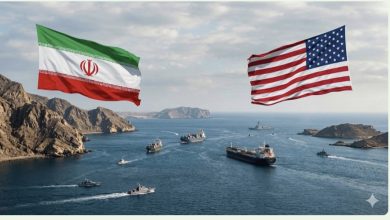
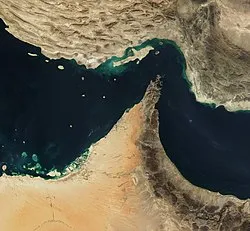
More importantly, Pape noted, is the practical acknowledgment of Iran’s influence over the Strait of Hormuz. This marks a strategic shift in the security of global maritime routes and signals a decline in the traditional U.S. role as a primary guarantor of energy flows.
Field Pressures Forced Washington to Retreat
Pape argues that this shift was not the result of a normal diplomatic process, but rather came under pressure from developments on the ground, following approximately 40 days of military attrition during which the United States failed to achieve its objectives.
Observers estimate that strikes targeting U.S. bases, combined with losses in military aviation and reduced control over vital maritime chokepoints, raised the cost of continuing the war to politically and economically unsustainable levels. This ultimately pushed the U.S. administration to accept Tehran’s terms in exchange for a ceasefire.
Wide Regional and International Implications
Pape stressed that the agreement will lead to a reshaping of alliances in the Middle East, as many countries in the region begin to engage with Iran as a dominant power and a key actor in the stability equation.
He also warned that this “strategic defeat” would negatively affect the confidence of traditional U.S. allies, potentially accelerating the erosion of American influence and opening the door to the rise of new international blocs based on converging interests—particularly among Tehran, Moscow, and Beijing.
The End of an Era and the Beginning of Another
The analysis concludes that what has occurred is not merely a temporary agreement, but rather a structural transformation in the international system, marked by a clear decline in U.S. dominance and the rise of new powers reshaping the global map of influence—especially in sensitive regions such as the Gulf, the Red Sea, and the Bab al-Mandab Strait.