Unprecedented Air Protection for Iranian Delegation in Islamabad… Rising Signals of Distrust Toward the U.S.
Pakistani fighter jets escort Iranian delegation’s plane after stalled negotiations… fears of a potential attack reflect deep tensions in the international landscape
NYN | Reports and Analyses
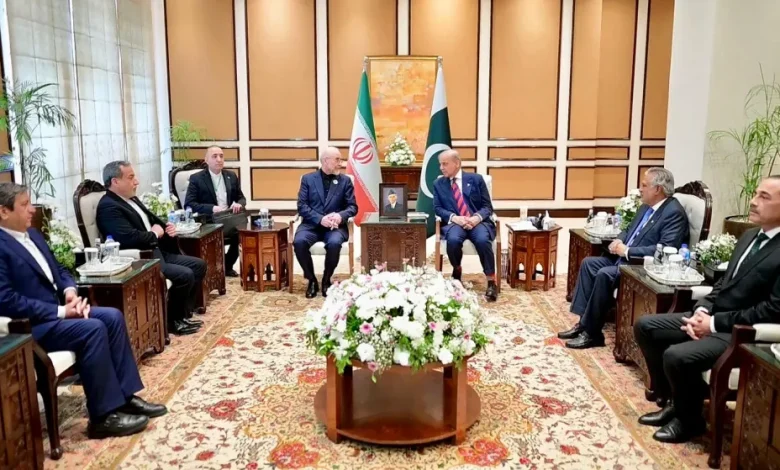
In a striking and unusual scene by diplomatic norms, Pakistani warplanes escorted the aircraft carrying the Iranian delegation as it departed the capital, Islamabad, following the breakdown of direct negotiations between Iran and the United States, which had been hosted by the Pakistani government under Prime Minister Shehbaz Sharif.
Media platforms and social networks circulated video clips showing Pakistani fighter jets flying alongside the Iranian aircraft, a move observers interpreted as a precautionary measure reflecting a high level of security concern.
Military Escort Carrying Political Messages
Analysts believe this Pakistani move reflects serious concerns about the possibility of the Iranian delegation being targeted by hostile action, whether directly or indirectly, amid escalating regional tensions. It also points to a decline in trust in U.S. guarantees, particularly in light of repeated accusations that Washington adopts double standards during negotiation periods.
Stalled Talks Add Complexity
These developments come after the failure of the latest round of Iranian-American negotiations held in Pakistan, which aimed to contain escalation and open new channels of understanding. However, fundamental differences between the two sides prevented any meaningful progress.
Legacy of Confrontations Deepens Distrust
Available indicators suggest that military operations witnessed in the region in recent periods—coinciding with negotiation tracks—have contributed to deepening skepticism in Tehran and among its allies regarding the feasibility of engaging in diplomatic processes with Washington.
Observers affirm that this incident may represent a new indicator of shifts in the rules of political and diplomatic engagement, where security considerations are increasingly taking precedence over traditional protocols in managing international relations.