A Black Day for the U.S. Air Force: Sudden Losses in Iranian Skies Upend Military Narrative
U.S. media reports reveal downed fighters and helicopters within 24 hours, debunking claims of destroyed Iranian defenses
NYN | Reports and Analyses
The skies over Iran have witnessed dramatic developments in recent hours, described by U.S. media outlets as some of the darkest in the history of the United States Air Force, following the announcement of unprecedented military losses in a single day.
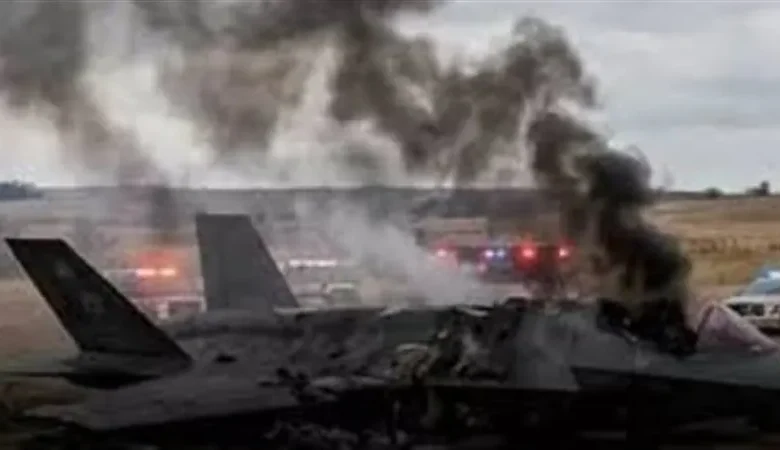
According to matching reports, a mere 24 hours were enough to cause widespread shock within Washington’s military and political circles. It was announced that a number of U.S. fighter jets and helicopters were downed under circumstances whose full details remain unclear.
Sudden Losses Redraw the Scene
Media sources reported that Iranian forces managed to shoot down five U.S. aircraft, including both fighters and helicopters, within one day. This significant escalation comes after more than a month of intensive military operations.
Reports indicated that some of these aircraft crashed inside Iranian territory, while others went down in nearby areas. Information remains conflicted regarding the fate of several pilots, amid the absence of definitive official confirmation from the U.S. Department of Defense.
Rescue Operations Turn into Additional Losses
According to circulated information, attempts to rescue the pilots turned into further losses. Helicopters on search and rescue missions took direct hits, leading to their crash and the injury of several soldiers on board.
Observers believe this development reflects the complexity of the field situation and raises serious questions about the effectiveness of the “air superiority” previously declared by Washington.
Contradicting the U.S. Narrative
In the same context, U.S. press reports confirmed that these events clearly contradict previous statements by the U.S. administration, which repeatedly claimed the destruction of Iranian air defense systems and the degradation of its military capabilities.
Other reports indicated that Iran’s missile infrastructure, including tunnels and underground shelters, remains fully operational despite being subjected to a series of intensive airstrikes.
Field Escalation and Political Pressure
Coinciding with these developments, media sources revealed parallel political movements, including a U.S. proposal for a 48-hour temporary ceasefire, which was rejected by the Iranian side.
According to analysts, this refusal reflects Tehran’s growing confidence in its ability to withstand the conflict on the ground, contrasted with the mounting domestic and international pressure facing Washington.
Summary of the Situation:
Current data suggests that the course of the confrontation is undergoing a remarkable shift, as the American narrative recedes in the face of a more complex reality on the ground. This may open the door to a new phase of escalation or a total recalibration of political and military strategies in the region.