US Report: US Navy Faces Structural Challenges Threatening Its Ability to Sustain a Prolonged Naval War with Iran
US Analysis Highlights Deployment Pressures, Maintenance Crises, and Fleet Shrinkage, Noting That Strategic Geography Gives Iran the Advantage in Any Extended Gulf Confrontation
NYN | Reports and Analyses
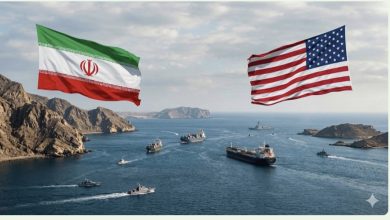
An analysis published by the American magazine Responsible Statecraft shed light on the mounting challenges confronting the US Navy, warning that Washington may find it difficult to sustain a long-term naval confrontation with Iran amid ongoing escalation in the Gulf region and the Strait of Hormuz.
The analysis emphasized that geopolitical developments following the recent war on Iran, alongside the geographical nature of the Strait of Hormuz, have granted Tehran operational advantages that could complicate the US military’s ability to maintain a large-scale military presence over extended periods.
Military Buildup Strains Navy Capabilities
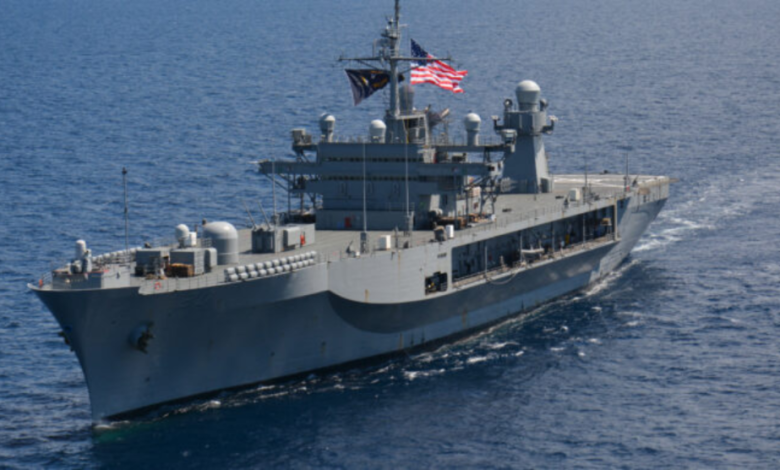
The report explained that the massive US naval surge deployed to support operations in the Gulf consumes a significant portion of the US Navy’s operational capacity, raising questions regarding the feasibility of sustaining this posture long-term.
It noted that aircraft carriers and large surface combatants face heightened risks in a complex operational environment, particularly given what it described as Iranian preparations aimed at wearing down US forces and disrupting their movements.
Maintenance Crises and Fleet Shrinkage
The analysis highlighted that the US Navy has experienced a significant decline in fleet size compared to its post-World War II levels. This coincides with persistent maintenance backlogs and extended deployment durations, with some naval vessels remaining on active military missions for over ten consecutive months—a factor impacting overall combat readiness.
It added that these challenges are compounded by crew fatigue and mounting operational burdens, constraining the Pentagon’s ability to manage multiple operational theaters simultaneously.
Geography Grants Iran Operational Upper Hand
The report argued that Iran’s geographical positioning along the Persian Gulf coast and the Strait of Hormuz affords it strategic advantages in any naval conflict. This forces US forces to maintain a continuous posture in a complex operational environment demanding vast logistical and human resources.
It indicated that a prolonged standoff could compel the US Navy to concentrate the bulk of its capabilities in the Gulf region at the expense of its global force posture elsewhere.
Warning of Strategic Repercussions
The analysis concluded by noting that structural challenges facing the US Navy, coupled with shifting geopolitical dynamics in the region, could make any prolonged naval confrontation with Iran increasingly complex. It warned that continued attrition could adversely affect the readiness of American naval power and its ability to maintain global superiority.