Trump Refuses to Lead War in Yemen: A US Slap to Bin Salman Regarding the “Houthis”
Washington rejects a Saudi request to lead the confrontation against Sana’a, pushing Riyadh to shoulder the responsibility.
NYN | Reports and Analyses
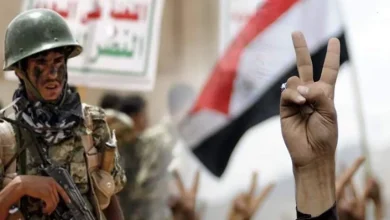
The Israeli Public Broadcasting Corporation (KAN) revealed new details regarding the US position on any potential military confrontation with the forces of the Sana’a government, noting that Washington turned down a Saudi request for the United States to lead military operations against them in Yemen.
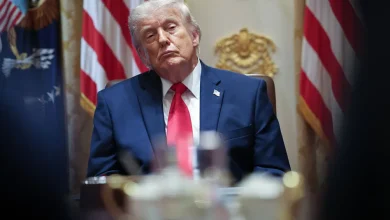
According to the channel, the Saudi request was raised during a mid-August meeting between Saudi Crown Prince Mohammed bin Salman and General Brad Cooper, Commander of US Central Command (CENTCOM), during which the US military official informed the Saudi side of Washington’s refusal to take the helm of the battle.
Washington Refuses Direct Involvement
KAN reported that General Cooper made it clear to Bin Salman that the United States does not wish to engage directly in military action against the Sana’a government forces, even if providing military support to defend Saudi territory becomes necessary.
According to the report, this stance reflects growing US caution regarding entry into an open confrontation in the Yemeni arena, given the potential for far-reaching military, security, and regional fallout.
Riyadh Seeks a Direct US Role
The Israeli report suggests that the Saudi request was not limited to receiving US backing or support, but rather reflected Riyadh’s desire for Washington to assume the primary burden of the military confrontation, thereby easing the cost for Saudi Arabia of entering a direct war.
These developments come as Riyadh faces complex calculations concerning any renewed escalation in Yemen, particularly given the country’s sensitive geographical location and the potential impact of any conflict on border security, vital infrastructure, and maritime shipping lanes.
Lessons from the Conflict with Iran
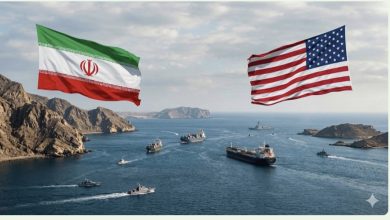
The Israeli channel linked the Saudi position to recent developments in the US confrontation with Iran, suggesting that Riyadh is seeking to avoid repeating a scenario where it alone bears the consequences of a broad military conflict.
According to KAN’s analysis, both the United States and Saudi Arabia appear keen to avoid slipping into a prolonged direct confrontation, while continuing to explore regional arrangements aimed at minimizing the costs of any potential escalation.
Saudi Arabia Faces Tougher Choices
The US refusal leaves Riyadh with limited options should it decide to proceed with a military confrontation against the forces of the Sana’a government. It will either have to bear the brunt of the conflict’s consequences or seek regional alliances and arrangements to secure military backing without Washington directly leading the operations.
This unfolds amid persistent regional tensions and the deep entanglement of the Yemeni file with Red Sea and Gulf security, making any decision to escalate fraught with risks that extend well beyond the borders of Yemen and Saudi Arabia.
Ultimately, the US message reported by KAN appears clear: Washington has no desire to lead a new confrontation in Yemen, leaving Riyadh facing greater responsibility in determining its military and political options toward Sana’a.