Russian Analysis: 9 Factors Pushing Washington to End Its War Against Iran
Escalating political, military, and economic pressures leave the Trump administration with tough choices against Tehran amidst the Strait of Hormuz dilemma.
NYN | Reports and Analyses
Independent Russian researcher and writer Alina M, in an article published by New Eastern Outlook, identified a set of factors that she said are pressuring the U.S. administration to end the war against Iran. She warned that continued escalation around the Strait of Hormuz could push the region into a broader confrontation while simultaneously exposing U.S. challenges in managing a long-term conflict.
Domestic Pressure on the Trump Administration
The Russian researcher noted that a primary factor is the growing pushback within President Donald Trump’s electoral base against involvement in new Middle Eastern wars. She argued that prolonged conflict could carry political consequences for the administration, particularly with the upcoming congressional midterm elections scheduled for November.
According to the analysis, domestic political pressures could drive the White House to seek a settlement or exit strategy that minimizes the cost of military engagement, especially amidst fears over the war’s impact on the Republican Party’s popularity.
Strait of Hormuz at the Center of Confrontation
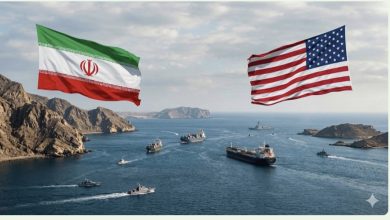
The author addressed Trump’s statements regarding the Strait of Hormuz, viewing the U.S. escalation around the vital waterway as an attempt to impose a new reality in a highly strategic and economic zone.
Conversely, Tehran maintains its firm position regarding the strait. The report quoted Iranian Deputy Foreign Minister Kazem Gharibabadi reiterating that Hormuz will remain subject to the legal frameworks and international agreements governing its navigation.
Military Calculations Take Precedence
The analysis asserts that military developments represent an additional driver for Washington to reassess its options, given the difficulties in achieving stated U.S. objectives against Iranian capabilities.
The author discussed challenges faced by U.S. defense systems in countering Iranian attacks, alongside a reported depletion of certain interceptor missile stockpiles. She suggested that sustained attrition could place added burdens on U.S. forces deployed across the region.
The report also noted disagreements within U.S. decision-making circles and military leadership regarding the required level of escalation, making it harder to formulate a clear war strategy.
Criticism of Relying on Regime Change
Among the key factors highlighted was what the analysis termed the “Israeli bet” on bringing down the Iranian regime within a short timeframe.
The researcher contends that Tehran’s sustained capacity for military response has undermined estimates predicting a rapid collapse of Iranian capabilities or its political system, rendering the continuation of the war far more complex for Washington and its allies.
Mounting Pressures on U.S. Forces
The article highlighted challenges tied to the continued deployment of U.S. forces, citing growing strains on naval assets and personnel stationed in operational theaters.
The report included allegations regarding difficult conditions aboard the aircraft carrier USS Abraham Lincoln due to extended sea deployments and supply shortages, alongside reports of suicide cases among crew members.
The analysis connects these developments to increased pressure on the U.S. military apparatus at a time when the war demands substantial human, military, and financial resources.
Shifts in Regional Alliances
The Russian writer drew attention to shifts in the positions of regional powers, pointing to new agreements and alignments involving countries like Pakistan, Turkey, and Saudi Arabia.
She argued that any shift in regional allies’ stances could narrow Washington’s margin of maneuver, particularly if Gulf states refuse direct involvement in the war or deny the use of their territory and bases for major escalatory operations.
Economic Costs and Defense Projects Under Strain
Financially, the war’s mounting price tag acts as another major variable in U.S. calculations, driven by rising military spending and the need to fund missile defense systems and force protection.
The report singled out the “Golden Dome” defense project as one of the initiatives that could face funding strain, noting that prolonged conflict places additional burdens on the U.S. budget.
Nine Factors Facing the White House
The analysis concluded that Washington faces an interconnected web of political, military, economic, and strategic pressures, highlighted by:
• Growing opposition within Trump’s base against foreign wars.
• Fears surrounding the war’s fallout on the midterm elections.
• Internal debate over agreements and memorandums linked to the conflict.
• Israeli pressure to maintain military operations.
• The difficulty of achieving swift objectives against Iran.
• Strains and attrition affecting deployed U.S. forces.
• Divergent assessments within military leadership institutions.
• Shifting stances of regional powers and their refusal of direct involvement.
• Rising financial and strategic costs of continuing the war.
Based on these factors, the Russian researcher assesses that a prolonged confrontation could become increasingly costly for the United States, potentially prompting the Trump administration to seek a diplomatic track or political settlement to end the war and contain its regional and global fallout.
In contrast, Tehran remains steadfast in refusing to compromise on its rights regarding the Strait of Hormuz, emphasizing that the future of navigation in the waterway is governed by legal norms and international conventions rather than political rhetoric or military threats.