Silent Mutiny in the Pentagon: US Military Commanders Refuse Extension of Deployment Near Iran
Secret document reveals opposition from US military leadership to ongoing attrition in the Middle East, warning of declining readiness in Europe and Asia.
NYN | Reports and Analyses
The Washington Post revealed details of a secret memo issued by the US Department of War (Pentagon) on August 14, containing sharp warnings from top military commanders regarding the consequences of continued military operations and ongoing attrition in the region surrounding Iran.
According to the newspaper, senior leaders across the Army, Navy, and Air Force issued warnings to Secretary of War Pete Hegseth, emphasizing that the sustained tempo of operations and military deployment in the Middle East is placing mounting strain on US capabilities, threatening to degrade the military’s overall capacity to address other strategic threats.
Official Objections Within the Military Establishment
The paper reported that commanders of several key combatant commands—including those overseeing Europe, the Indo-Pacific, and South America, alongside the Chief of Naval Operations—registered formal objections to decisions extending the deployment of forces and strike groups in the Middle East.
Commanders utilized the “Non-Concur” mechanism to document their reservations while continuing to execute orders issued by top leadership, pointing to professional division and growing anxiety within the military establishment regarding the cost of long-term deployment.
Mounting Attrition of US Capabilities
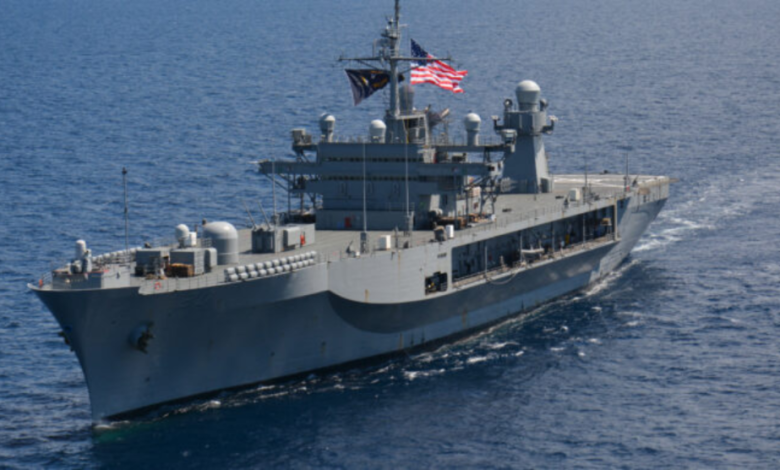
According to The Washington Post, months of continuous military operations have led to tangible attrition across several operational assets, including warships, interceptor missiles, drones, and air and missile defense systems.
Data in the report indicates that the impact of this strain extends beyond the Middle East, compromising the readiness of US forces in other theaters of operation, particularly Europe and Asia. This raises concerns over Washington’s ability to maintain required readiness levels across multiple fronts simultaneously.
US Navy Under Readiness Pressure
The US Navy stands out as one of the branches most severely impacted by sustained operational deployment, amid growing fears of declining fleet readiness.
The newspaper cited that only a limited percentage of US destroyers are currently in a state that permits immediate deployment and combat, given the surging need for maintenance and overhauls on vessels subjected to intense operational periods.
This comes at a time when US forces face increasing demands to maintain a broad military footprint across multiple strategic regions, leaving leadership with a dilemma: balancing current operational demands against maintaining readiness for potential crises or conflicts elsewhere.
War Weighs on Political and Economic Calculations
These military warnings coincide with escalating political and economic pressures inside the United States, particularly with the approaching congressional midterm elections this coming November.
US political circles fear that the fallout from the regional conflict could drive up fuel prices and worsen inflation, directly impacting American voters and the electoral calculations of the Republican Party and President Donald Trump’s administration.
Fears of the Middle East Becoming an Open-Ended Drain
The Washington Post views the formally recorded objections within the US military establishment as a revelation of the severe pressures facing American strategy in the region, especially given the continuous need to deploy troops, naval vessels, and defense systems for extended periods.
According to the paper’s analysis, these developments point to growing apprehension within the military that sustained operational engagement will bleed the resources and capabilities the United States requires to preserve its strategic edge in other parts of the world.
Consequently, the secret memo exposes expanding institutional anxiety within the Pentagon over the toll of continuous military deployments—at a moment when Washington faces the challenge of managing multiple strategic fronts simultaneously without allowing its Middle East posture to become a long-term drain on force readiness.