Iranian Embassy Mocks Trump: Fake AI Victories in the Strait of Hormuz
Tehran responds mockingly to Trump’s claims regarding mine clearance in the Strait of Hormuz, citing a US report on a troubled project in the heart of Washington.
NYN | Reports and Analyses
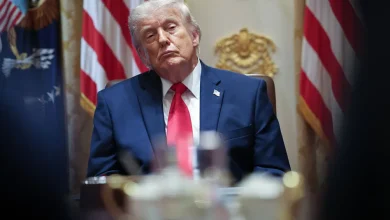
The Iranian Embassy in London launched a satirical attack on US President Donald Trump over his claims regarding what he described as achievements by US forces in the Strait of Hormuz, accusing the US administration of presenting an exaggerated picture of its military operations.
Iranian Embassy: Fabricated Victories
In a post, the embassy stated that Trump is trying to manufacture what it termed “fake victories” using artificial intelligence, arguing that US claims regarding mine removal from the Strait of Hormuz do not reflect, from its perspective, the reality of developments on the ground.
The embassy mockingly added that the US administration has been unable to resolve an algae problem in a water basin in the capital, Washington, questioning its ability to conduct mine clearance operations in the Strait of Hormuz.
Citing a US Report on Washington’s Lincoln Memorial Reflecting Pool
The Iranian Embassy cited a previous report by NBC News that criticized a project in the US capital dedicated to addressing water discoloration in the basin facing the Abraham Lincoln Memorial.
According to the report referenced by the embassy, the project drew criticism regarding the funds spent and the results achieved. Tehran utilized the incident in a satirical discourse targeting the Trump administration’s performance.
Accusations of “Fake Numbers”
The Iranian Embassy characterized what the US administration considers achievements as mere “lies born of helplessness, fake numbers, and zero credibility,” in a direct critique of the American narrative concerning the situation in the Strait of Hormuz.
Addressing Trump in sharp language, the embassy called him “defeated” and stated that he is resorting to AI to construct “fake victories” for himself.
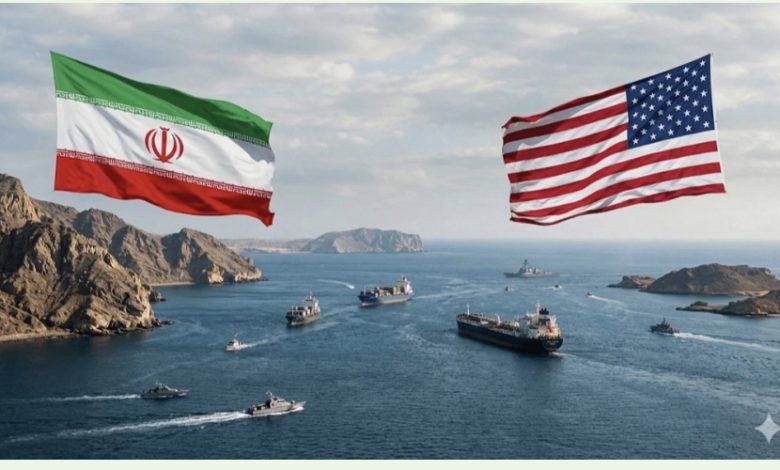
These statements come amid ongoing tensions surrounding the Strait of Hormuz—one of the world’s most critical maritime energy corridors—and a sharp divergence between Iranian and American accounts of military developments and navigation in the region.