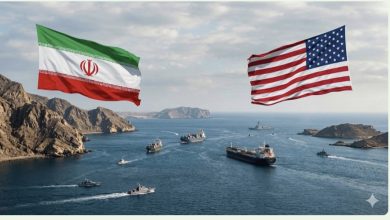
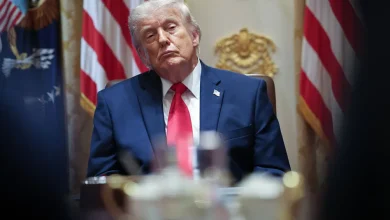
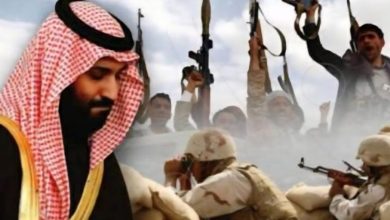
Oman Responds Firmly to Trump’s Threats and Affirms Its Sovereign Right to Manage the Strait of Hormuz in Coordination with Iran
Omani Foreign Minister: Security of Navigation in the Strait of Hormuz Is a Shared Sovereign Responsibility with Tehran Under International Law
NYN | Reports and Analyses
The Sultanate of Oman has reaffirmed its commitment to its sovereign rights in the Strait of Hormuz, rejecting recent American pressure and threats related to its role in managing one of the world’s most important strategic maritime passages.
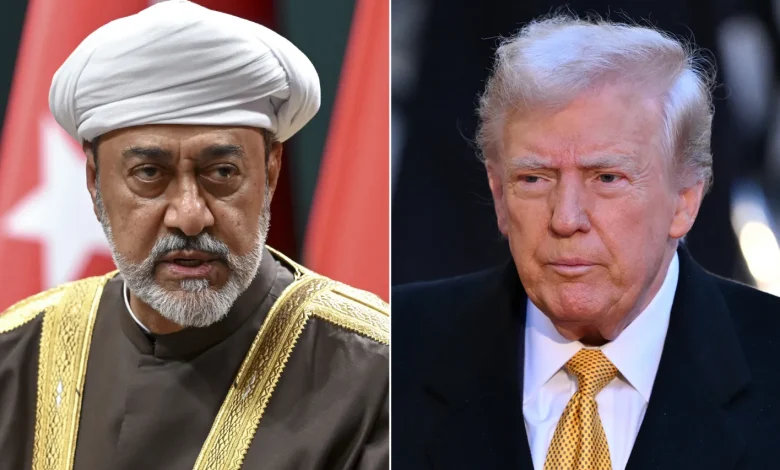
In an official position carrying clear messages, Omani Foreign Minister Badr Albusaidi stressed, during a telephone conversation with his Iranian counterpart Abbas Araghchi, Muscat’s and Tehran’s commitment to ensuring the security and freedom of maritime navigation in the Strait of Hormuz. He stated that this commitment stems from their sovereign responsibilities over their territorial waters and is consistent with the provisions of international law while safeguarding the interests of all regional and international parties.
According to the Oman News Agency, the Ministry of Foreign Affairs affirmed that the management of navigation security in the strait falls within the sovereign rights and responsibilities of the states bordering it, referring to the ongoing coordination between the Sultanate of Oman and the Islamic Republic of Iran.
A Decisive Omani Position
Oman’s position comes in the wake of statements by U.S. President Donald Trump that included strong threats directed at Muscat over its intention to exercise its sovereign role in managing the Strait of Hormuz in coordination with Iran. These remarks sparked widespread reactions in political and media circles.
Through its official stance, the Sultanate emphasized that it remains committed to its responsibilities regarding the security of international maritime routes, while underscoring the importance of respecting international laws and avoiding harm to the interests of countries that rely on navigation through the strait.
Continued U.S. Escalation
According to circulating reports, American positions have not been limited to Trump’s statements alone. Similar remarks and positions have reportedly been expressed by senior officials in the U.S. administration, including the Secretaries of Defense and the Treasury, as part of increasing pressure linked to regional developments and the future of navigation in the Strait of Hormuz.
The Strait of Hormuz is considered one of the most vital arteries of global trade and energy transportation, making any political or security developments related to it a matter of significant regional and international concern.