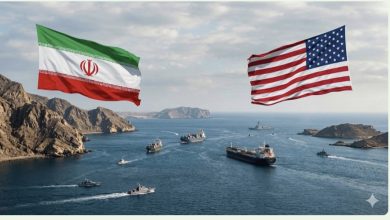
Israeli General Admits Failure of the Iran War: Netanyahu’s Strategy Collapsed and Israel Faces a More Dangerous Reality
Senior Researcher at Tel Aviv's National Security Institute Confirms the War Strengthened Tehran’s Influence, Weakened Israel’s Standing in Washington, and Failed to Achieve the Goal of Regime Change in Iran
NYN | Reports and Analyses
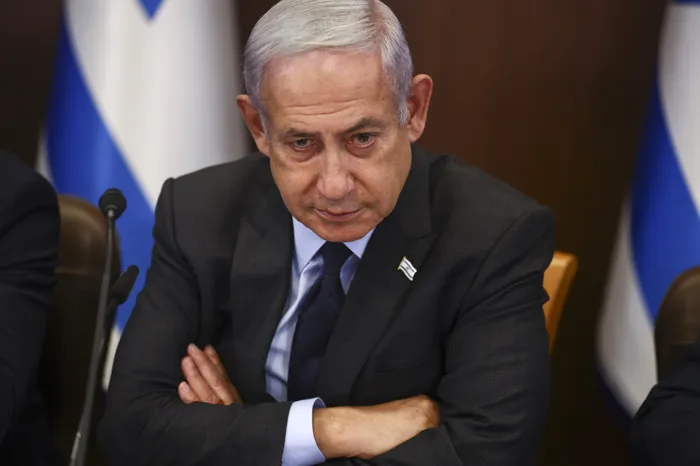
Israeli reserve general and researcher at the Institute for National Security Studies (INSS) at Tel Aviv University, Danny Citrinowicz, has acknowledged the failure of the strategy led by Prime Minister Benjamin Netanyahu during the recent war against Iran. He stated that the outcome of the confrontation was the opposite of its declared objectives and resulted in a more complex and dangerous strategic reality for Israel.
Collapse of the Goal of Toppling the Iranian Regime
In a study published by the institute, Citrinowicz explained that the United States and Israel launched a large-scale military campaign on February 28 with the primary objective of overthrowing the Iranian regime. He noted that Israel, for the first time, carried out assassination operations inside a foreign country as part of a plan aimed at regime change in Tehran.
He added that the plan was based on what he described as “naive” assumptions, including reliance on Kurdish movements within Iran and the revival of former political figures. According to him, this revealed Israel’s weak understanding of the nature of the Iranian regime and its internal structure.
The War Continued Despite the Failure of Its Objectives
The Israeli researcher stated that the regime-change project collapsed during the first days of the war, particularly after U.S. President Donald Trump decided to halt support for Kurdish initiatives. Nevertheless, military operations continued despite the absence of clear strategic objectives.
He noted that while the war achieved some limited tactical gains, it failed to bring about any real strategic transformation. Instead, it contributed to strengthening Iran’s regional position and increasing the cohesion of its political and military institutions.
Iran Becomes More Hardline as Revolutionary Guard Influence Grows
Citrinowicz explained that one of the war’s most significant outcomes was the rise of more hardline factions within Iran’s leadership, alongside the expanding influence of the Islamic Revolutionary Guard Corps (IRGC) in decision-making circles. He emphasized that the confrontation failed to impose meaningful restrictions on Iran’s missile program or on Tehran’s network of regional allies.
He added that the understandings currently being discussed regarding the nuclear file amount to little more than monitoring measures or a partial freeze on uranium enrichment—steps that Iran had already been willing to discuss before the outbreak of the war.
Failure to Alter Iran’s Strategic Calculations
He pointed out that Iran still possesses hundreds of kilograms of uranium enriched to 60 percent purity, questioning the ability of any party to impose new commitments on Tehran in the future, especially given political developments in the United States and the approach of upcoming electoral cycles.
He stressed that the war failed to change Iran’s red lines. Instead, it pushed Tehran toward greater rigidity and enhanced its ability to influence shipping traffic through the Strait of Hormuz, negatively affecting the global economy and energy markets.
Declining Image of Israel in the United States
The Israeli researcher indicated that one of the most serious consequences of the war was the deterioration of Israel’s image among the American public. Israel is increasingly being accused of pushing Washington into a costly and unsuccessful war that directly harmed the U.S. economy and contributed to rising global energy prices.
He added that these developments have further complicated Israel’s relationship with the Democratic Party and have also generated growing reservations among segments of the Republican camp that have historically been strong supporters of Israel.
Admission of the Failure of Netanyahu’s Strategy
Citrinowicz concluded by stating that the wide gap between the objectives Israel announced at the beginning of the war and the outcomes and understandings currently on the table constitutes clear evidence of the failure of Netanyahu’s strategy toward Iran.
He asserted that the war exposed the limits of military power in confronting Tehran and demonstrated the collapse of the expectation that the Iranian regime could be changed. He further suggested that any future U.S. administration would likely be reluctant to embark on a similar military venture against Iran.