Israeli Admissions of Hezbollah’s Nighttime Drone Superiority: Armored Vehicle Breaches Raise Concerns Within the Military Establishment
Hebrew media reports point to a significant battlefield shift in southern Lebanon following the resistance’s success in targeting Israeli military movements at night and the growing crisis among reserve forces
NYN | Reports and Analyses
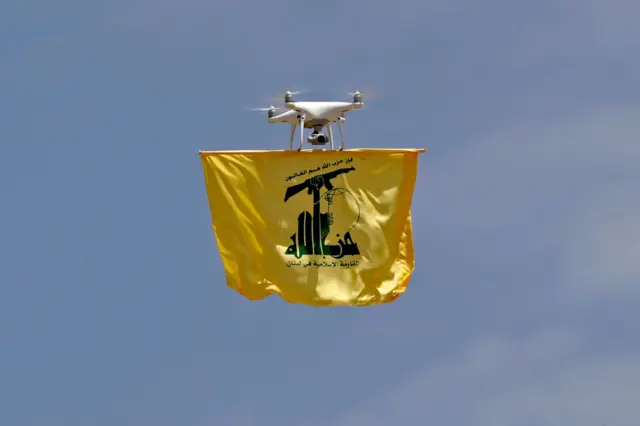
Israeli media outlets have revealed growing concern within security and military circles following what they described as a “dramatic shift” in the nature of the confrontations along the southern Lebanon front, after Hezbollah reportedly succeeded in enhancing its aerial capabilities, enabling it to target Israeli troop movements during nighttime hours.
According to Hebrew-language media reports, the recent strike on an Israeli armored vehicle by a loitering attack drone was viewed as a troubling indicator for the military establishment, as it demonstrated the resistance’s ability to detect and track Israeli forces even under conditions that had previously been considered relatively safe cover for military movements.
Loitering Drones Emerge as a Major Threat
Israel’s Channel 12 reported that explosive drones have become one of the most significant challenges facing forces operating in southern Lebanon, particularly following incidents involving successful attacks on troop transport vehicles and military equipment.
In the same context, military analyst Avi Ashkenazi of the newspaper Maariv cited military assessments indicating that Hezbollah has managed to equip some of its drones with advanced night-vision and thermal-imaging systems. These capabilities have reportedly enabled the drones to conduct surveillance and precision targeting operations during nighttime hours, significantly reducing the effectiveness of the night-movement tactics relied upon by the Israeli military in recent months.
Official Acknowledgment of Difficulties Against Fiber-Optic Drones
In a notable admission, Maariv quoted a senior official in Israel’s Ministry of Defense as saying that the security establishment still lacks a practical solution for dealing with loitering drones that utilize fiber-optic communication technology, which is resistant to the electronic warfare and jamming systems employed by the Israeli military.
Observers believe that this category of drone presents a growing challenge to Israeli defensive systems due to the difficulty of intercepting the aircraft or disrupting its communications during combat operations.
Deepening Crisis Within Reserve Forces
Meanwhile, the newspaper Yedioth Ahronoth reported what it described as increasingly difficult conditions among Israel’s reserve forces as military operations continue over extended periods, placing mounting psychological, economic, and social burdens on reservists and their families.
The newspaper pointed to growing feelings of frustration and exhaustion among some reserve personnel amid concerns that the ongoing war of attrition could continue without achieving clear objectives or a decisive battlefield outcome.
Barak Criticizes Netanyahu Government and Warns of the Consequences of Attrition
On the political front, former Israeli Prime Minister Ehud Barak renewed his criticism of Benjamin Netanyahu’s government, arguing that continued disregard for battlefield challenges and the declining readiness of the military could push Israel into a more complex and dangerous phase.
According to statements cited by Israeli media, Barak said that the military establishment is facing unprecedented challenges that require a comprehensive reassessment of current security and military policies.
Fears of a Prolonged War of Attrition
Israeli analysts believe that recent developments in Hezbollah’s aerial capabilities, particularly in the field of unmanned aerial systems, could impose new battlefield realities on the southern Lebanese front. Such developments, they argue, may increase pressure on the Israeli military and heighten concerns about becoming trapped in a prolonged and costly war of attrition, both militarily and domestically.