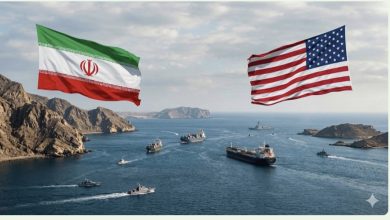
Leaked Pentagon Report: Hormuz Crisis Could Last Months, Threaten U.S. Economy Ahead of November Elections
A military assessment reveals the difficulty of clearing naval mines in less than six months, amid fears of a surge in oil and food prices putting pressure on the administration of Donald Trump.
NYN | Reports and Analyses
The Washington Post has revealed details of a concerning military assessment presented by the U.S. Department of Defense during a closed session with lawmakers in Congress. The assessment addresses the potential consequences of any escalation in the Strait of Hormuz, one of the world’s most critical energy arteries.
Mine Clearance: A Long and Complex Mission
According to the leaked report, efforts to secure navigation and clear naval mines in the strait could take no less than six months if a confrontation disrupts the waterway. This estimate reflects significant challenges facing U.S. naval capabilities in dealing with “asymmetric mine warfare,” considered one of the most complex threats in narrow maritime environments.
The assessment pointed to a clear gap in rapid mine detection, surveying, and clearance capabilities, indicating that reopening the passage safely would not be quick but would require considerable time and intensive effort.
Economic Repercussions Pressuring Washington
The report goes beyond military aspects, warning of severe economic consequences. It predicts sustained increases in oil and food prices within the United States, potentially lasting until the upcoming midterm elections in November.
This is tied to the critical role the Strait of Hormuz plays in transporting a large share of global oil exports, making any disruption a direct trigger for market instability and rising energy and shipping costs.
Congressional Concern and Rising Political Pressure
According to the newspaper, several lawmakers expressed deep concern that the strait could become a prolonged drain on the U.S. economy, emphasizing that technical military solutions may neither be sufficient nor fast enough to contain the crisis.
This concern is reportedly driving efforts to explore urgent political pathways to de-escalate tensions, given the limited time before the electoral deadline and increasing domestic pressure on the U.S. administration.
Electoral Implications Threatening Trump’s Agenda
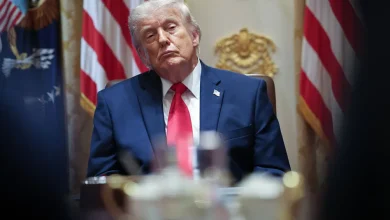
Analysts believe that continued price increases could weaken the economic standing of the current administration and provide Donald Trump’s opponents with a strong point of leverage during election campaigns—especially amid growing criticism of Washington’s handling of escalation with Iran and its impact on markets.
In light of these developments, the Strait of Hormuz crisis appears poised to evolve from a military challenge into a complex economic and political issue, one that could shape the next phase both within the United States and beyond.