U.S. Analysis: Iran Naval Blockade Fails to Achieve Its Goals; “Deadly Timing” Determines the Outcome
The National Interest: Maritime Sanctions Lost Effectiveness After War Began; Tehran Developed Resilience Tools That Undermine Pressure
NYN | Reports and Analyses
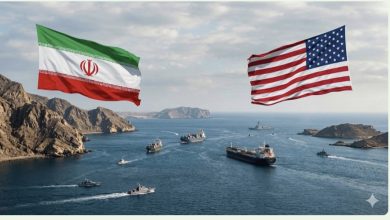
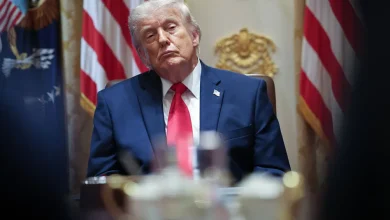
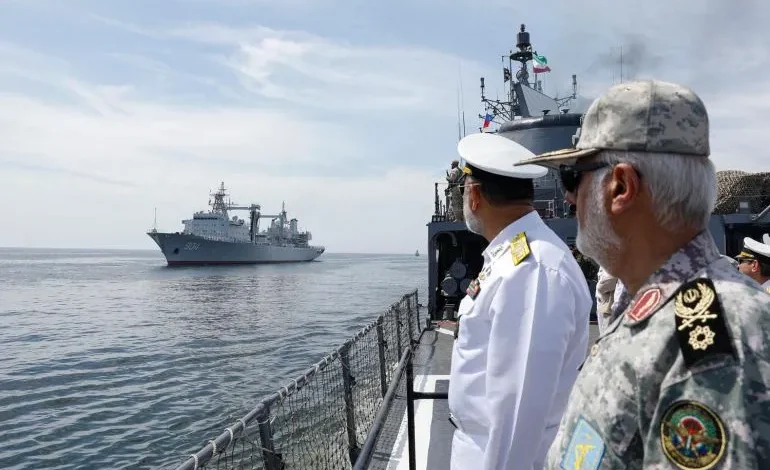
An in-depth analysis published by the American magazine The National Interest revealed that the naval blockade imposed by the administration of Donald Trump on Iran since April 13 is facing structural challenges that prevent it from achieving its strategic objectives. The report argues that its timing came “too late,” after the conflict had already shifted into an open war of attrition.
Late Timing Reduces Effectiveness
The analysis explains that the blockade could have been more impactful if it had been implemented before the outbreak of large-scale military confrontation, when Tehran was still operating within an active diplomatic track and seeking to avoid escalation. However, imposing it after the “Forty-Day War” deprived it of the element of surprise and decisive political pressure.
Iranian Adaptation Undermines Pressure Tools
The report notes that Iran has successfully developed advanced adaptation strategies, including building decentralized command structures and expanding alternative supply networks, which has reduced the impact of maritime restrictions. It argues that tools of economic and military coercion gradually lose effectiveness when the targeted party can absorb the shock and reorganize its capabilities.
Strait of Hormuz: A Global Dilemma Beyond Blockade
The magazine highlights that the ongoing threat of closing the Strait of Hormuz has transformed the crisis into a complex global energy issue that exceeds the capacity of naval fleets to control. This reality has made the blockade more of a tool for managing escalation rather than a decisive means of imposing conditions.
Economic Losses Without Political Gains
Despite White House estimates indicating Iranian losses of up to $500 million per day, the analysis suggests that such pressure does not necessarily translate into political concessions. Instead, it may drive further hardening of positions and reinforce the option of confrontation.
Difficult Choices for Washington
According to the report, continuing the blockade without achieving tangible results places Washington before two complicated scenarios: either escalate toward a broader military confrontation to shift the balance of power on the ground, or return to the negotiating table under terms similar to those proposed before the blockade began.
Lessons from Military History
The magazine concludes by emphasizing that naval blockades succeed only when they are part of a comprehensive strategy implemented before the outbreak of conflict, not as a delayed measure introduced in response to the failure of military resolution.