Closure of the Strait of Hormuz Shakes the Global Economy: War’s Consequences Exceed All Expectations
U.S. report says the crisis is affecting every person on Earth as Washington faces growing domestic and international pressure amid soaring energy prices.
NYN | Reports and Analyses
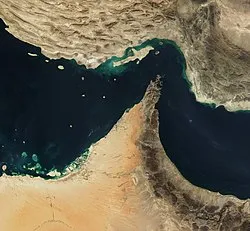
A leading American newspaper stated that the consequences of the closure of the Strait of Hormuz are now being felt across the globe, noting that no part of the world economy has remained untouched by the crisis amid escalating military tensions in the region.
The newspaper explained that the effects of the war have extended directly and unprecedentedly into people’s daily lives, remarking that “there is hardly a person on Earth who has not been affected by this crisis,” as supply chains continue to face disruption alongside rising energy and transportation costs.
The report added that the consequences of the conflict will not end even if a peace agreement is reached, arguing that the scale of the economic and financial damage exceeds the ability of quick solutions to contain it, while the United States is increasingly being blamed for the worsening global situation.
Domestic Pressure on Washington
The report noted that the American administration is facing mounting domestic challenges, with growing frustration among members of Congress — particularly within the Republican Party — over the cost of the war and the absence of a clear path toward ending it.
It also pointed out that the U.S. president is facing sharp criticism from international allies, most notably Germany, which declined to become involved in the war while simultaneously suffering from its economic consequences.
Energy Markets Under Pressure
Regarding energy markets, the report predicted that the Strait of Hormuz could remain closed for additional weeks, increasing the likelihood that oil and gas prices will stay elevated for an extended period.
Despite earlier official American statements suggesting that fuel prices could decline soon, energy sector officials acknowledged that prices may remain high, further intensifying pressure on the global economy and deepening uncertainty in international markets.