Abraham Accords on the Brink of Collapse: Gulf Fractures and Growing Doubts Over the U.S. Security Umbrella
An American analysis reveals erosion of trust in Washington and rising divisions within the Gulf amid the repercussions of regional war.
NYN | Reports and Analyses
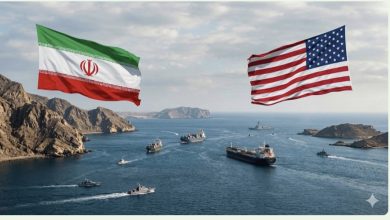
A recent analysis published by the U.S. magazine Foreign Affairs has revealed a deep crisis threatening the future of the so-called “Abraham Accords,” amid rapid regional shifts and growing divisions within Gulf states over the viability of these understandings and the role of the United States as a security guarantor.
Gulf Doubts Over American Protection
The analysis explained that the recent war on Iran, followed by direct U.S. intervention to protect Israel, has raised widespread concern in Gulf capitals. It has reinforced the perception that Washington places Israel’s security at the top of its priorities without offering equivalent guarantees to its Gulf allies.
This reality has led to serious questions about the fate of these states in the event they face similar military threats.
Abraham Accords Between Dominance and Public Rejection
The report noted that Israel views the Abraham Accords as a tool to expand its regional and security influence, particularly in confronting Iran, a position that conflicts with the interests of some Arab states.
It also highlighted that the consequences of the war in Gaza and widespread violations there have contributed to declining Arab public acceptance of any form of normalization, further complicating the political landscape.
Gulf Division Into Three Camps
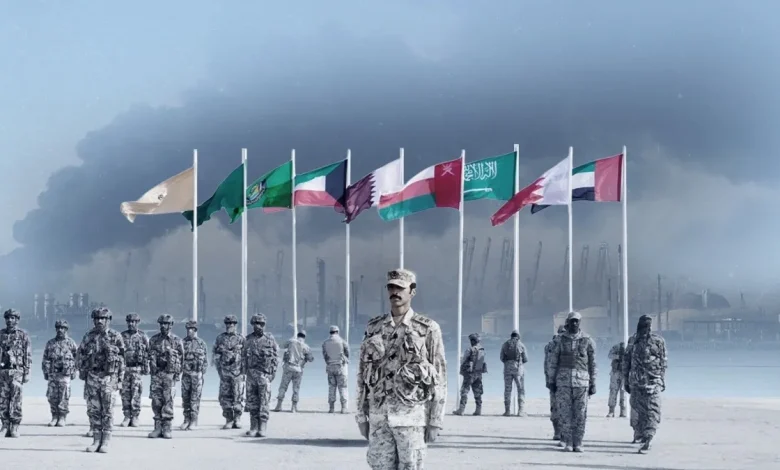
The analysis stated that Gulf countries are now divided into three main tracks:
Neutrality camp: represented by Oman, which adopts a policy of de-escalation and restraint.
Engagement camp: led by the UAE, which has moved closer to the U.S.-Israeli axis, making it more exposed to security repercussions.
Hesitation camp: includes other states that are handling escalation cautiously without fully defining their positions.
This division reflects deep differences in threat perception and risk assessment within the Gulf system.
Erosion of Trust in Washington
Foreign Affairs concluded that regional trust in the United States as a security guarantor is rapidly eroding, particularly as countries in the region perceive an imbalance in protection and a clear prioritization of support for Israel over other partners.