Iraq and Iran Deliver First Joint Response to Washington After Rise of New Prime Minister
Baghdad reaffirms its rejection of using Iraqi territory against Tehran and announces enhanced joint security coordination
NYN | Reports and Analyses
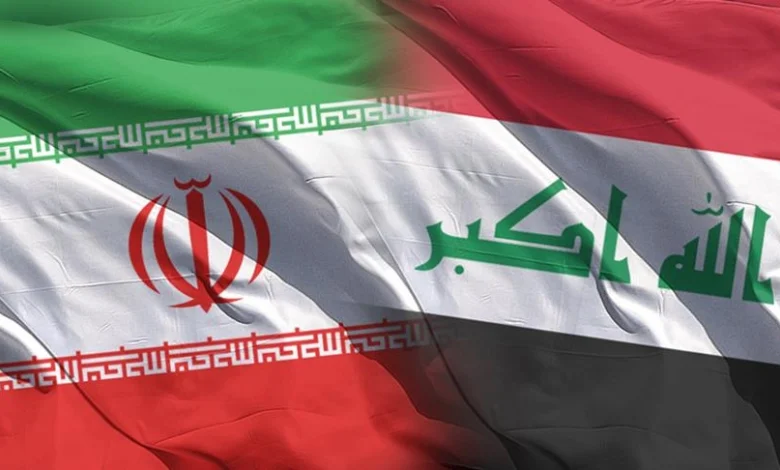
The Iraqi government reaffirmed its position rejecting the use of Iraqi territory as a launching point for any military or security operations targeting Iran, in the first joint stance between Baghdad and Tehran following the rise of Iraq’s new prime minister, amid increasing U.S. pressure on the Iraqi government regarding resistance factions.
The statement came during a meeting of the Iraqi-Iranian Supreme Security Committee held in Baghdad, attended by senior security officials from both countries. The two sides stressed the importance of implementing the bilateral security agreement and strengthening joint coordination to protect the security and stability of the region.
Security Coordination and Tightened Border Control
According to the Iraqi News Agency (INA), Baghdad and Tehran agreed to continue coordination to fundamentally address the issue of Iranian armed groups present in the Kurdistan Region, in a manner that prevents any activity threatening regional security or destabilizing the two countries.
The joint security committee also called for intensifying border surveillance measures and strengthening security operations to prevent infiltration or movements by terrorist or armed groups that could target the security of Iraq and Iran.
Al-Araji: We Will Not Allow Neighboring Countries to Be Targeted
For his part, Iraqi National Security Adviser Qasim al-Araji affirmed that Iraq is fully committed to preventing any party or group from exploiting its territory to harm the security and stability of neighboring countries, in what observers viewed as a direct response to recent American moves in the region.
Observers believe that the joint Iraqi-Iranian position reflects a growing trend toward strengthening security and political cooperation between the two countries amid escalating regional tensions and increasing U.S. pressure related to armed factions in Iraq.