Iran Suspends Talks with Washington, Ties Resumption to End of Israeli Attacks on Lebanon and Gaza
Tehran Confirms Freeze of Communications Through Pakistani Mediator and Signals Escalatory Options Involving the Strait of Hormuz and Bab al-Mandab Amid Rising Regional Tensions
NYN | Reports and Analyses
Iran has announced the suspension of message exchanges and indirect talks with the United States through a Pakistani mediator, citing the continuation of Israeli military operations in Lebanon. Tehran argues that recent developments on the ground have undermined understandings related to maintaining a ceasefire in the region.
According to Iran’s Tasnim News Agency, Iranian officials and negotiators confirmed that the resumption of any negotiation process with Washington is now contingent upon a halt to Israeli military operations in both Lebanon and the Gaza Strip, as well as the withdrawal of Israeli forces from areas under their control within Lebanese territory.
Iranian Conditions for Resuming Negotiations
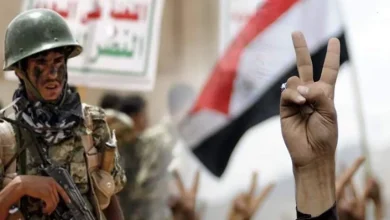
The sources stressed that Tehran rejects continuing political contacts while military escalation persists, emphasizing that Iran’s demands and the positions of resistance groups in the region must be taken into consideration before any new negotiations or understandings can proceed.
According to Tasnim, Iran believes that ongoing Israeli attacks are undermining prospects for political agreements with the U.S. administration and weakening efforts aimed at preserving regional de-escalation.
Escalatory Options Include Hormuz and Bab al-Mandab
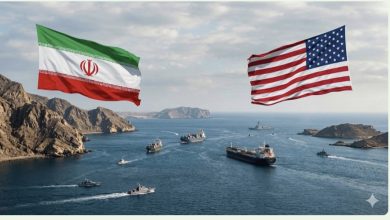
Tasnim also reported that Iran and its allies are considering a range of potential escalation measures in response to continued Israeli military operations and U.S. support for them. These options reportedly include the complete closure of the Strait of Hormuz, as well as the activation of additional pressure tools involving the Bab al-Mandab Strait and other strategic maritime routes in the region.
Israeli Reports Cite U.S. Coordination
Meanwhile, Israeli sources stated that the decision to expand attacks on Beirut’s southern suburbs was made in coordination with the United States. According to those sources, Washington had previously sought to preserve the ceasefire between Lebanon and Israel.
The Israeli account further claims that U.S. diplomatic efforts failed to achieve their intended objectives, prompting the administration to withdraw its earlier objections to launching new military operations in the southern suburbs of the Lebanese capital.
Concerns Over a Broader Regional Confrontation
These developments reflect escalating tensions across the region and an increasing overlap between political and military tracks. Diplomatic efforts between Tehran and Washington are facing growing challenges amid concerns that the confrontation could expand further, potentially involving critical maritime chokepoints and threatening international shipping security in the Middle East.
The latest developments underscore the fragility of regional stability and the risks associated with continued escalation at a time when diplomatic channels appear increasingly constrained.