Unprecedented Surge: Israeli Arms Exports to Gulf States Increase Fivefold in Two Years
Haaretz: Normalization Agreements Have Evolved into Advanced Security and Military Partnerships, Driving Israeli Defense Exports to a Record $19.2 Billion
NYN | Reports and Analyses
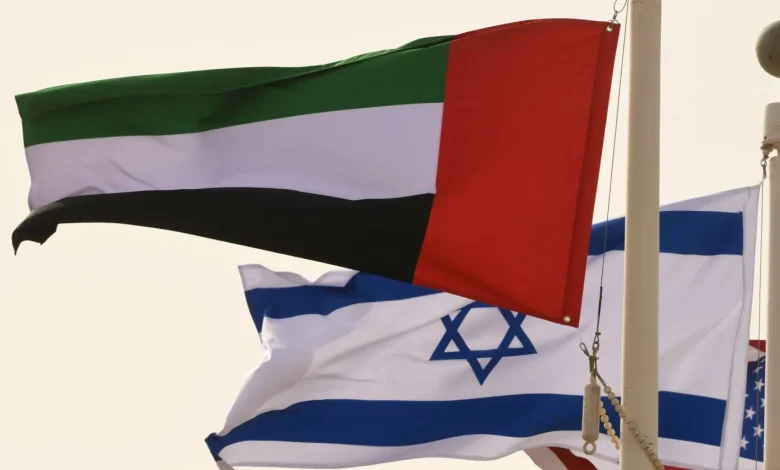
The Israeli newspaper Haaretz has revealed unprecedented growth in Israeli arms exports to Gulf countries participating in the so-called Abraham Accords, stating that the volume of these exports has increased fivefold over the past two years amid expanding security and military cooperation between the two sides.
Record Exports for Israel’s Defense Industry
According to the newspaper, Israeli defense industry exports reached a new record high of $19.2 billion in 2025, driven by rising demand from Gulf states and other Arab countries engaged in the normalization process, while the share of European markets in purchases of Israeli weapons has declined.
The report explained that rapidly evolving security developments in the region, alongside the ongoing war in Gaza and escalating tensions on the Lebanese front, have prompted Israel to redirect its marketing strategy toward Gulf markets, which have become one of the primary drivers of growth for the Israeli defense sector.
From Political Normalization to Security Partnerships
Haaretz quoted informed sources as saying that the relationships established under the Abraham Accords have moved beyond traditional diplomatic cooperation and developed into advanced security and intelligence partnerships. These reportedly include surveillance systems, artificial intelligence technologies, unmanned aerial vehicles (UAVs), cyber technologies, and border protection systems.
The sources indicated that these partnerships have become a cornerstone of cooperation between the two sides, alongside the growing number of regional security and military integration projects launched in recent years.
Expansion of Israeli Influence in the Region
The report concluded that the normalization agreements are no longer limited to their political dimension but have evolved into a gateway for expanding Israeli economic and security influence throughout the region through networks of cooperation based on military technology, data sharing, and the development of joint security infrastructure.
The newspaper stated that this trend strengthens Israel’s presence within the regional security architecture at a time when it continues to seek new markets to offset declining demand in some Western and European markets.