Trump Criticizes Netanyahu Over Beirut Strike and Reveals Timeline for In-Person Signing with Iran in Europe
Trump says the agreement with Tehran remains on track despite recent tensions in Lebanon and announces an upcoming in-person signing ceremony in Europe.
NYN | Reports and Analyses
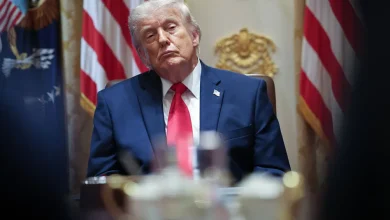
U.S. President Donald Trump stated that the agreement process between the United States and Iran remains on course according to the planned framework, despite recent security developments in Lebanon and the Israeli airstrike targeting Beirut’s southern suburbs.
In remarks to Fox News, Trump explained that the Israeli attack caused only a few hours’ delay in the signing procedures, emphasizing that it would not affect the completion of the agreement between the two sides.
Direct Criticism of Netanyahu
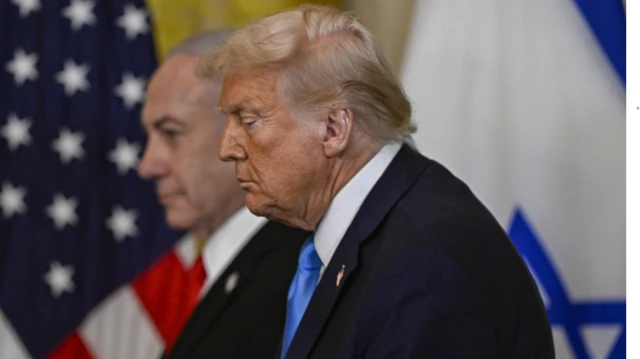
In notable comments, Trump directed criticism at Israeli Prime Minister Benjamin Netanyahu, expressing his dissatisfaction with the recent military operation in Beirut.
“I don’t know why Netanyahu decided to attack Beirut. It made me angry, and I told him that he showed poor judgment,” Trump said. He added, “I asked him: What the hell are you doing in Lebanon?”
These remarks come amid growing concerns that developments on the ground in the region could complicate efforts to reach political understandings between Washington and Tehran.
In-Person Signing in Europe Within a Week
Trump revealed that the agreement would not be limited to electronic or remote signing, indicating that arrangements are being made for an in-person meeting between the two parties to formally sign the deal.
He added that the signing ceremony could take place in a European country next week, without providing further details regarding the host nation or the level of official representation.
Lifting the Naval Blockade in Exchange for De-escalation
Trump also stated that he would ask Iran not to respond to the recent Israeli strikes in Lebanon, noting that a successful agreement would pave the way for immediate U.S. measures aimed at reducing tensions.
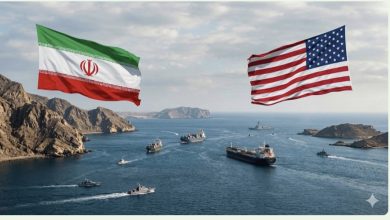
He said that his administration would issue a decision to lift the naval blockade imposed on Iran immediately after the agreement is finalized, describing the move as part of confidence-building measures between the two sides.
Regional Anticipation
These statements come amid regional and international anticipation regarding the fate of the U.S.-Iran agreement, as rapidly escalating tensions in the region continue and efforts intensify to contain any escalation that could jeopardize the chances of reaching new political understandings.