Reuters: Saudi Arabia Resorts to “Dark Voyages” to Export Oil via the Red Sea Amid Falling Shipments
Disabling tracking signals on Saudi oil tankers raises attack concerns, as shipping data indicates Yanbu exports have dropped by more than a third.
NYN | Reports and Analyses
Reuters revealed that Saudi crude oil exports through the Red Sea are witnessing a noticeable decline, coinciding with a growing number of oil tankers turning off their tracking signals in a move aimed at lowering the visibility of their maritime movements amid fears of being targeted.
According to the report, Saudi Arabia has increasingly resorted to what is known as “dark voyages”—shipping operations during which tracking systems are switched off or vessel movement data is masked, with some of these tankers referenced under the so-called “shadow fleet.”
70% of Saudi Shipments Have Gone “Dark”
Reuters quoted analysts at Kpler, a firm specializing in energy cargo data, as saying that approximately 70% of Saudi shipments over recent weeks have gone “dark”—an indicator of mounting security concerns linked to oil tanker movements in the Red Sea.
This comes amid persistent risks facing Saudi-linked vessels, prompting shipping companies and tankers to take measures aimed at minimizing the trackability of their locations and destinations while underway.
Decline in Yanbu Port Exports
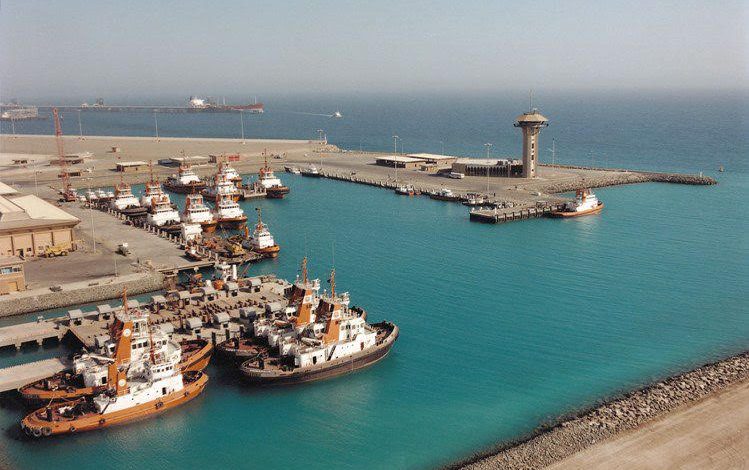
Shipping data outlined in the report showed a marked drop in oil export traffic from the Saudi port of Yanbu via the Red Sea, with volumes falling by more than a third compared to previous levels.
Data cited in the report indicates that shipments fell from levels approaching 4 million barrels per day (bpd) to roughly 1.78 million bpd, reflecting growing pressure on the Saudi oil export corridor through the Red Sea.
Mounting Pressure on Saudi Oil Exports
This decline underscores the scale of challenges facing Riyadh in maintaining the flow of its oil exports through the Red Sea, particularly with heightened security risks facing supertankers traversing this route.
The report notes that the continuation of these developments could force Saudi Arabia to seek alternative routes and options for exporting oil, at a time when tanker traffic through the Red Sea is becoming increasingly complex alongside rising risk and insurance costs and a growing need to obscure vessel movement data.
The Red Sea Faces a New Test
These developments once again highlight the strategic importance of the Red Sea to Saudi energy exports, and the extent to which they are impacted by security disruptions in one of the most vital maritime corridors the Kingdom relies upon to deliver oil to global markets.