Ynet: Iran Imposes Its Terms in the Upcoming Agreement as Washington Retreats from Key Nuclear Demands
Hebrew Media: The U.S.-Iran Agreement Grants Tehran Strategic Gains and Ignores Netanyahu’s Four Main Objectives
NYN | Reports and Analyses
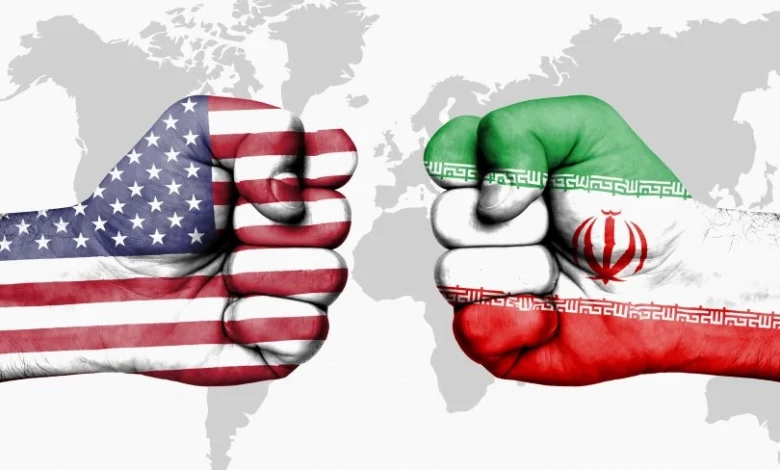
Hebrew-language media outlets have acknowledged that the anticipated agreement between the United States and Iran represents a clear retreat from the objectives pursued by the Israeli government over recent years, asserting that Tehran has succeeded in preserving most of its red lines and maintaining key elements of its strategic strength.
In an extensive analytical report, the Hebrew newspaper Yedioth Ahronoth stated that the memorandum of understanding expected to be signed between Washington and Tehran does not include the four objectives that Israeli Prime Minister Benjamin Netanyahu had long regarded as essential conditions for any agreement with Iran. According to the report, these objectives now appear unattainable under the current negotiating framework.
The report explained that the agreement does not require Iran to relinquish its stockpile of enriched materials or dismantle its nuclear enrichment facilities. It also does not impose new restrictions on Iran’s ballistic missile program, nor does it address ending Tehran’s relationships with its regional allies.
The newspaper added that the U.S. administration has effectively abandoned several conditions it had previously advocated, enabling Iran to enter the negotiations from a position of strength while retaining its sovereign rights regarding revenues linked to the Strait of Hormuz. In contrast, the United States would receive only temporary and limited economic benefits.
The report further noted that previous American promises regarding the removal of enriched uranium from Iranian territory are no longer included among the provisions of the agreement, reflecting a significant shift in the U.S. position compared with previous years.
Recognition of Continued Enrichment
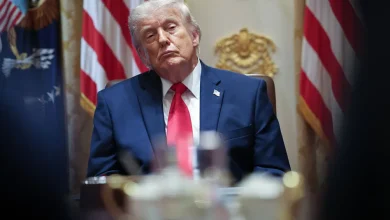
In the same context, the newspaper quoted U.S. President Donald Trump as confirming that Iran would continue uranium enrichment activities within its nuclear facilities, albeit at low levels and under monitoring. Israeli circles reportedly viewed this as an official American acknowledgment of Tehran’s right to maintain a peaceful nuclear program.
Criticism from Former U.S. Ambassador
For his part, former U.S. Ambassador to Israel Dan Shapiro sharply criticized the military escalation that preceded the negotiations, arguing that the recent war strengthened Iranian influence rather than weakening it and contributed to the deterioration of both American and Israeli positions.
Shapiro stated that diplomatic shifts across the region have begun to accelerate, as many countries have reopened channels of communication with Tehran, which he described as a sign of Iran’s growing regional stature and its increasingly entrenched role in the region’s political and security equations.
Doubts About the Agreement’s Benefits
The former U.S. official concluded by questioning what Washington has described as the gains of the agreement. He argued that claims regarding the reopening of the Strait of Hormuz do not constitute a genuine achievement, since the shipping route had been functioning normally before the recent wave of military escalation.
According to Shapiro, the United States and its allies paid a significant political and economic price to reach these understandings, while the practical benefits remain open to debate.