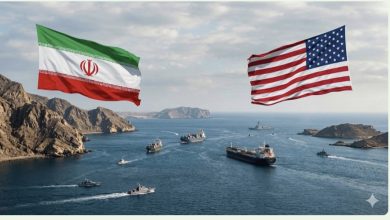
U.S. Intelligence Assessments: Iran Retains the Means to Paralyze Navigation in the Strait of Hormuz
Washington Says Missiles, Drones, and Naval Mines Give Tehran Strategic Influence Over One of the World’s Most Critical Maritime Routes
NYN |Reports and Analyses
Recent U.S. intelligence assessments have revealed that Iran continues to possess advanced military and operational capabilities that enable it to directly affect maritime traffic in the Strait of Hormuz, one of the world’s most important routes for oil transportation and global trade. This provides Tehran with a significant strategic leverage point in the event of any future regional escalation.
According to intelligence sources cited by CNN, Tehran has maintained a range of capabilities that would allow it to disrupt or interfere with shipping traffic through the strait whenever it chooses. These capabilities are supported by a military arsenal that includes ballistic missiles, drones, fast attack boats, and naval mines.
The assessments emphasized that Iran has demonstrated over recent years its ability to influence maritime security in the region, making any future military tension a direct concern for global energy markets and international shipping companies.
Renewed Capabilities and Growing Influence
The U.S. evaluations indicated that Iran’s military development programs and efforts to rebuild its defensive and offensive capabilities are continuing at an accelerated pace, enhancing Tehran’s readiness to use the Strait of Hormuz as an effective geopolitical pressure tool in any confrontation or regional crisis.
International Concern Over Maritime Security
Despite international efforts and understandings aimed at ensuring the uninterrupted flow of trade through the strait, U.S. intelligence circles believe that the most influential factor remains Iran’s continued ability to threaten or disrupt maritime navigation. This capability grants Tehran considerable strategic weight in global energy and security calculations.
The Strait of Hormuz is regarded as one of the world’s most important maritime chokepoints, with a substantial portion of global oil and natural gas exports passing through it. Consequently, any disruption to navigation in the strait could have immediate repercussions for the global economy and international energy markets.