U.S. Analysis: The War Drained America and Strengthened Iran’s Position
The New York Times: The War on Iran Ended in Failure, and Washington Accepted Worse Terms Than Diplomacy Could Have Delivered
NYN | Reports and Analyses
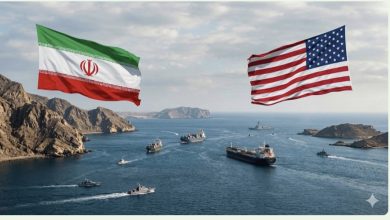
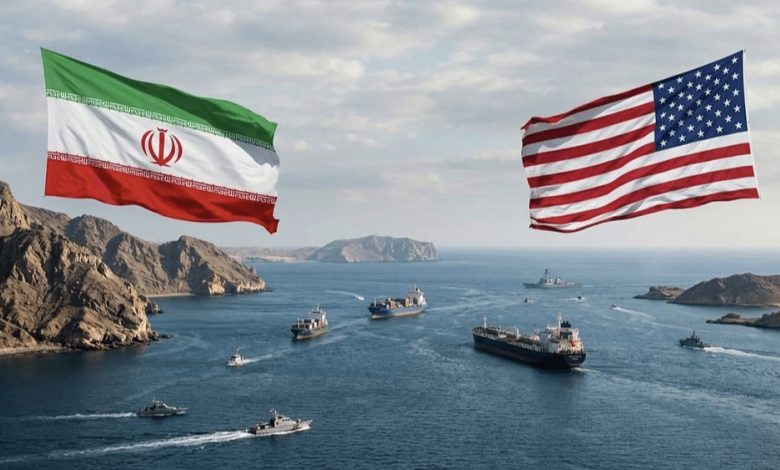
The American newspaper The New York Times has argued that the war waged by the United States and its allies against Iran produced outcomes contrary to its declared objectives, asserting that Washington ultimately found itself compelled to accept a political settlement on terms less favorable than those that could have been achieved through diplomacy from the outset.
In a joint analytical article, former U.S. envoy to Iran Robert Malley and historian Stephen Wertheim, a specialist in U.S. foreign policy, wrote that the war failed to accomplish any of its principal strategic objectives, including toppling the Iranian government or significantly weakening it. As a result, they argued, President Donald Trump’s administration was left confronting a complex political and military reality.
Divided U.S. Views on the War’s Outcome
According to the analysis, Trump’s decision to halt military operations and agree to a ceasefire angered hardline voices in Washington, who had hoped the war would yield major strategic gains. By contrast, opponents of military intervention contend that the fundamental mistake was initiating the conflict in the first place.
The authors described the outcome as another example of a recurring pattern in U.S. foreign policy, in which military force is employed to achieve political objectives that cannot easily be secured on the battlefield. They also noted that the war attracted relatively low levels of public support from its outset compared with previous American conflicts.
The Failure of Military Decisiveness
The analysis argues that the conflict demonstrated the limitations of the American and Israeli military option as a means of imposing strategic solutions by force. Despite intensive airstrikes, Iran succeeded in preserving its military infrastructure and strategic programs, including its missile capabilities and drone programs.
The report further states that the conflict depleted significant quantities of advanced U.S. munitions at a time when Washington is already facing growing challenges in both Europe and Asia, raising questions about the wisdom of becoming involved in prolonged and costly wars in the Middle East.
U.S. Military Bases: From Deterrence Assets to Vulnerabilities
The newspaper also highlighted the broader implications of the war for the regional security architecture that the United States has built in the Gulf over recent decades. It argued that American military bases have become increasingly vulnerable to attack, exposing significant weaknesses in the traditional deterrence framework.
It further suggested that many countries in the region have begun recognizing the need for more independent security arrangements after finding themselves exposed to the consequences of the conflict without being direct participants in it.
Calls for a Reassessment of U.S. Policy
In concluding their analysis, the authors urged policymakers in Washington to draw lessons from the experience and abandon reliance on military force as the primary means of resolving complex crises. They argued that exaggerating threats and using them to justify wars ultimately imposes heavy political, economic, and military costs.
They also stressed that the military option no longer appears either effective or attractive—even for President Trump, despite his continued hawkish rhetoric—and argued that the next phase requires a more pragmatic approach based on dialogue and diplomacy rather than military adventurism.