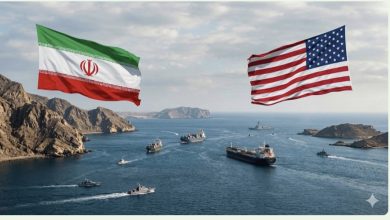
Oman and Iran Agree on Future Framework for Managing Navigation Through the Strait of Hormuz, Affirm Sovereign Rights of the Two Littoral States
Joint Statement from Muscat and Tehran Emphasizes Freedom of Navigation, Maritime Security, and Calls for Regional Consultations on the Future Governance of the Strait
NYN | Reports and Analyses
The Sultanate of Oman and the Islamic Republic of Iran have announced that they have reached a mutual understanding to continue bilateral coordination and discussions on future arrangements for managing navigation through the Strait of Hormuz, including maritime services and the associated costs, in accordance with applicable international laws and standards.
Oman’s Ministry of Foreign Affairs published the contents of the joint Omani-Iranian statement on its official account on the social media platform X following high-level talks hosted in Muscat. The discussions brought together the Iranian negotiating delegation with senior Omani officials, led by Sultan Haitham bin Tarik.
Affirmation of Sovereignty and Legal Rights
The joint statement stressed that all future arrangements concerning the Strait of Hormuz must fully respect the sovereignty and sovereign rights of the littoral states. It underscored the importance of bilateral cooperation in managing issues related to the strategic waterway, which serves as one of the world’s most vital arteries for global trade and energy supplies.
Planned Regional Consultations
Both sides agreed to continue discussions on the future management of navigation in the Strait while also engaging in consultations with other coastal states and exploring mechanisms for cooperation with relevant stakeholders. The objective, according to the statement, is to strengthen regional coordination and preserve the stability of maritime shipping routes.
Commitment to Freedom of Navigation and Regional Stability
Muscat and Tehran reaffirmed their commitment to maintaining the Strait of Hormuz as a safe and open international waterway for global maritime traffic. They also emphasized the importance of enhancing maritime safety measures and safeguarding freedom of navigation in accordance with international law, thereby contributing to regional security and stability.
Strategic Importance of the Strait
The Strait of Hormuz is one of the world’s most strategically important maritime chokepoints, carrying a substantial share of global oil and natural gas exports. As a result, any agreements or future arrangements concerning its governance attract significant regional and international attention.