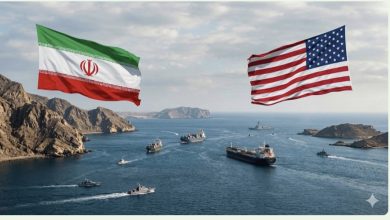
Hebrew Report: Washington and Tel Aviv Fail to Rally the Gulf Against Iran; Normalization Faces a New Stalemate
Israeli Analyst: Gulf states are repositioning themselves regionally and moving toward enhancing dialogue with Tehran amid declining trust in Israel as a partner for stability.
NYN | Reports and Analyses
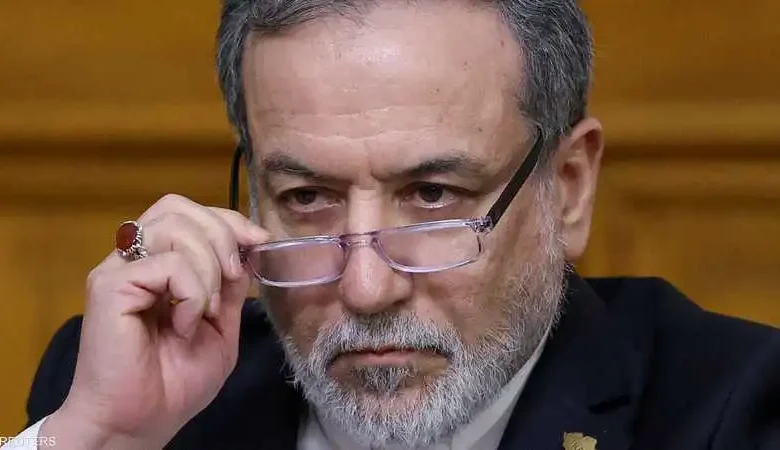
A report published by Hebrew Channel 12 has revealed mounting concern within Israeli security and political circles over the repercussions of the recent confrontation with Iran. This comes amid signs of a emerging new geopolitical reality pushing Gulf states to adopt a policy of greater rapprochement with Tehran, countered by declining prospects for expanding relations with Israel.
A Gulf Re-evaluation of the Regional Landscape
The channel’s international affairs editor, Asaf Rosenzweig, stated that the Gulf states emerged from the recent war more convinced than ever that Iranian influence in the region cannot be bypassed. This realization has prompted them to review their security and political strategies, and to seek new regional mechanisms that guarantee stability and protect their economic and developmental interests.
He added that Gulf capitals are seeking to build a collective security framework to reduce the likelihood of new military confrontations or future missile attacks on their vital facilities.
Repercussions for the U.S. Presence in the Region
The report indicated that the fallout from the war could extend to the United States itself, suggesting that Washington might reconsider its military deployment in the region following damages sustained by several of its military bases and sites due to recent Iranian attacks.
It emphasized that these developments have driven many countries in the region to adopt a more independent approach to managing their regional relations, moving away from traditional policies of alignment.
Direct Dialogue with Tehran
The report explained that the message from the Gulf—evident in the intensification of contacts with Iran—is a shift from limited understandings toward building a broader regional security dialogue in which Tehran directly participates. The goal is to secure international navigation and protect infrastructure and economic facilities from any future escalation.
According to the report, this trend reflects a growing conviction among regional states that Iran’s deterrence policy has established itself as a primary factor in the regional security equation.
A New Setback for the Normalization Path
Conversely, the report acknowledged a significant decline in the opportunities to expand the circle of normalization with Israel. It noted that Saudi Arabia, Qatar, Kuwait, and the Sultanate of Oman are currently showing no enthusiasm for engaging in new paths of rapprochement with Tel Aviv.
It added that Israel’s ongoing wars in Gaza, Lebanon, Syria, and Iran have reinforced the prevailing impression among many Gulf capitals that Israel has become a source of regional instability, rather than a partner in building a joint security system.
A Gulf Message to Tel Aviv
The Israeli analyst concluded his report by stressing that current Gulf movements aim to maintain a delicate balance in relations with both Tehran and Washington through a policy based on dialogue, containment, and minimizing the chances of escalation.
He pointed out that this shift carries a clear message to Israel: the normalization path is no longer an open or unconditional option, and the continuation of regional tensions and wars will keep Arab-Israeli relations hostage to much more complex security and political conditions in the coming phase.