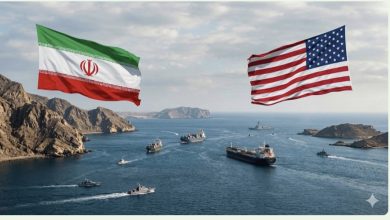
Western Countries Consider Paying Transit Fees to Iran and Oman for Crossing the Strait of Hormuz; Washington Refuses
A US report reveals a shift in European positions regarding navigation in the Strait of Hormuz amid fears of legal repercussions on international sea lanes
NYN | Reports and Analyses
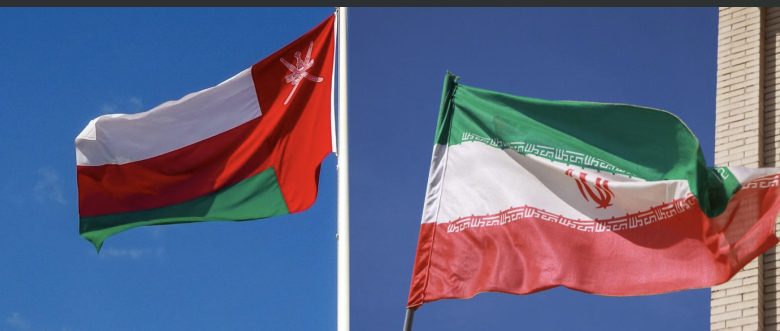
The American news agency, Bloomberg, has revealed that a number of European countries are now considering accepting the payment of transit fees to both Iran and the Sultanate of Oman in exchange for their ships crossing the Strait of Hormuz, a development that reflects growing shifts in discussions related to maritime security in one of the world’s most critical strategic waterways.
The agency quoted two informed sources as saying that the imposition of some form of service fees on transiting ships is now being viewed as a strongly proposed option. It noted that some officials in Gulf countries are circulating this proposal in their private discussions, although it does not yet represent an official stance of their governments.
US and Gulf Rejection
According to the report, the United States and Gulf states continue to hold their position rejecting the imposition of any fees on ship traffic in the Strait of Hormuz. They maintain that under the rules of international maritime law, Iran and the Sultanate of Oman do not possess the legal right to collect such fees from transiting vessels.
Fears of International Repercussions
Bloomberg explained that opponents of this approach fear that approving transit fees in the Strait of Hormuz could create a legal precedent. This might prompt other nations to impose similar fees on strategic international waterways, which could subsequently impact global trade and the freedom of maritime navigation.
The Strait of Hormuz is considered one of the world’s most important trade and energy arteries, as a major portion of global oil and gas exports passes through it, making any changes to the mechanisms regulating navigation within it a subject of broad international concern.