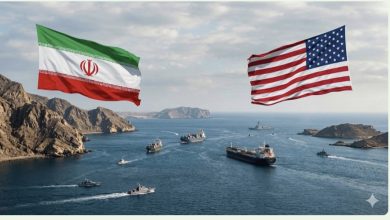
Saudi Arabia Evaluates Expanding Red Sea Pipeline to Reduce Dependence on the Strait of Hormuz Amid Energy Security Concerns
Reuters: Riyadh considers increasing the capacity of the East-West pipeline in coordination with Gulf states to transport more oil to the Red Sea, following disruptions that exposed the vulnerability of relying on the Strait of Hormuz.
NYN | Reports and Analyses
The Kingdom of Saudi Arabia is studying a project to expand the capacity of its “East-West” oil pipeline extending to the Red Sea coast. This move aims to enhance crude export routes and reduce reliance on the Strait of Hormuz, following the disruptions witnessed in the region during the recent war with Iran.
Reuters quoted informed sources as saying that Riyadh is holding consultations with a number of Gulf states, including Kuwait and Qatar, to discuss the possibility of utilizing the existing pipeline network or expanding it to allow the transport of additional quantities of oil away from the Strait of Hormuz, which is one of the world’s most critical chokepoints for energy trade.
Anticipated Multi-Billion Dollar Expansion
According to the sources, the plans under consideration could raise the carrying capacity of the pipeline by 1 to 2 million barrels per day above its current capacity. However, implementing the project would require investments estimated at billions of dollars, alongside several years to complete the expansion and accompanying infrastructure works.
War Repercussions Prompt Re-evaluation of Export Routes
The sources explained that these moves came after disruptions that affected Gulf oil exports during the war, causing damage that impacted oil production in Iraq and Kuwait, as well as oil facilities in Bahrain. This has once again shed light on the risks associated with heavy reliance on the Strait of Hormuz as a primary corridor for oil exports.
Observers believe that recent events have prompted Gulf states to accelerate the review of their energy security strategies and diversify export routes, ensuring the continuous flow of supplies to global markets under various circumstances.
The East-West Pipeline Enhances Saudi Alternatives
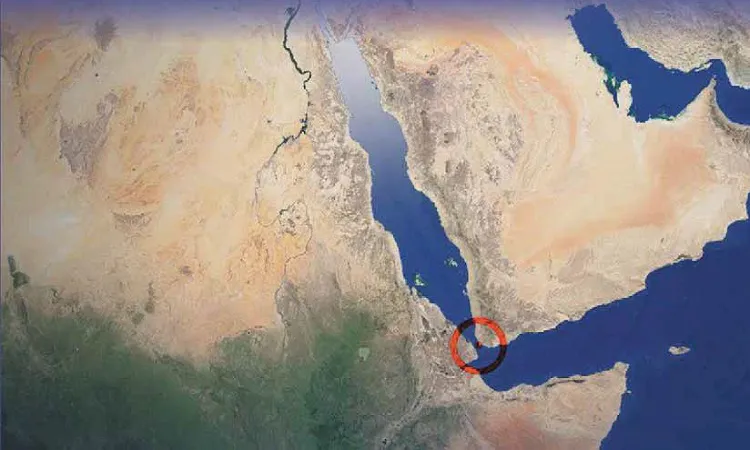
The current capacity of the East-West pipeline stands at approximately 7 million barrels per day, linking oil fields in eastern Saudi Arabia to the port of Yanbu on the Red Sea, giving the Kingdom an alternative outlet for crude exports away from the Strait of Hormuz.
In contrast, the UAE continues to bolster its export capabilities through pipelines that transport oil to the Port of Fujairah overlooking the Arabian Sea, as part of a similar strategy to reduce dependence on sensitive maritime chokepoints.
Potential Gulf Competition for Market Share
The sources view that expanding the Gulf pipeline network could contribute to reshaping the region’s oil export map. However, it could also open the door to greater competition between Saudi Arabia and the UAE to increase production and capture larger shares in global markets, which could reflect on future oil price levels and global market trends.