Saudi Arabia Seeks Oil Outlet via the Red Sea, But Yemen Challenges Put the Plan to a Difficult Test
A report reveals Gulf efforts to expand pipelines away from the Strait of Hormuz, amidst questions over the feasibility of relying on the Red Sea in light of the ongoing Yemeni crisis
NYN | Reports and Analyses
The Kingdom of Saudi Arabia is moving toward accelerating its plans aimed at boosting its oil exports via the Red Sea, as part of a Gulf initiative to reduce dependence on the Strait of Hormuz, which has witnessed significant disruptions over the past months due to military escalation in the region.
According to Reuters, Riyadh is working with both Kuwait and Qatar to study a project to expand the oil pipeline network, allowing the transport of larger quantities of crude to Red Sea ports, thereby ensuring the continuous flow of exports even in the event of navigation disruptions through the Strait of Hormuz.
Gulf Shift to Reduce Dependence on the Strait of Hormuz
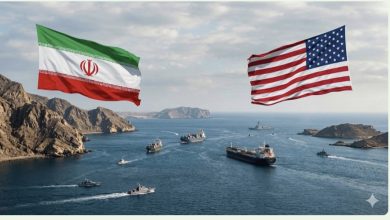
According to the report, the three countries are considering raising the carrying capacity of the pipeline extending between eastern Saudi Arabia and its western coast. This step aims to provide an alternative route for Gulf oil exports following the major impacts the Strait of Hormuz faced during the US-Israeli war on Iran.
This shift reflects the scale of Gulf anxiety over a repeat scenario of a halt or disruption in shipping traffic within the strait, which is considered one of the most critical maritime corridors for the global energy trade.
The Red Sea is Not a Challenge-Free Option
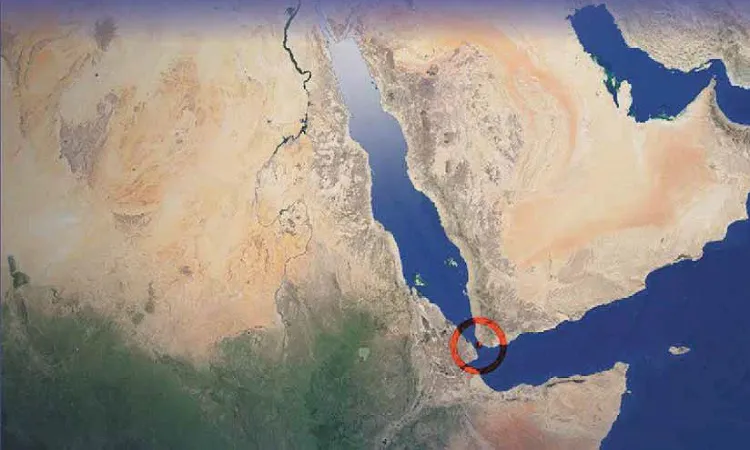
Although the Red Sea represents a strategic outlet for oil exports, this route faces complex political and security challenges, given the continuation of the war and the blockade imposed on Yemen for more than a decade, along with the associated repercussions on maritime security in the region.
Observers believe that any Gulf strategy relying more heavily on the Red Sea will remain tied to developments in the Yemeni file, as the stability of this maritime corridor is directly affected by the existing conditions in Yemen.
Losses Prompt the Search for Alternatives
Data indicates that the disruptions witnessed in the Strait of Hormuz over the past three months caused a significant decline in the movement of Gulf oil exports. This has prompted regional countries to re-evaluate their logistical options and search for alternative routes that ensure the continuous flow of oil to global markets.
In this context, the project to expand pipelines toward the Red Sea appears to be one of the most prominent options on the table. However, its success will remain linked to the extent of the Gulf states’ ability to deal with the geopolitical and security challenges surrounding this vital maritime corridor.