New York Times: Attacks in Yemen Complicate Saudi Arabia’s Options and Expand Leverage
US Newspaper: Dealing with Yemen requires recognizing its independent decision-making... Simultaneous disruptions in Bab al-Mandab and Hormuz could compound pressure on global energy markets
NYN | Reports and Analyses
The New York Times reported that the recent escalation in Yemen poses new challenges for Saudi Arabia. It noted that dealing with Yemen cannot be based on the assumption that its decision-making is subservient to Tehran, given that Sana’a—according to the paper—enjoys a wide margin of autonomy in determining the timing and targets of its operations.
In an article by Alexandra Stark, a researcher at the RAND Corporation, the newspaper explained that Yemen’s geographical location along the Bab al-Mandab Strait grants it significant strategic importance due to the strait’s link to trade and energy flows between the Red Sea, the Suez Canal, and global markets.
Bab al-Mandab as Additional Leverage
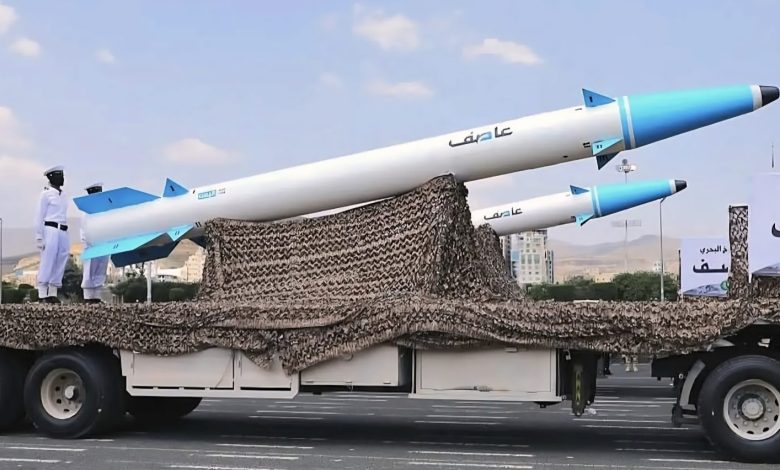
According to the report, the use of drones, missiles, and unmanned surface vessels in recent years has elevated risks associated with Red Sea navigation, driven up insurance and shipping costs, and forced numerous vessels to reroute around the Cape of Good Hope.
The New York Times views the resumption of attacks on shipping and vessels linked to Saudi Arabia, alongside targeting infrastructure tied to energy and transport, as increasing the pressures facing Riyadh and granting Yemenis additional leverage for future negotiations.
Saudi Oil Export Options Under Pressure
The report notes that Saudi Arabia relies partially on a pipeline transporting crude oil to the port of Yanbu on the Red Sea, allowing it to bypass the Strait of Hormuz.
However, continuous threats in the Red Sea could diminish the effectiveness of this alternative route—especially if disruptions in Bab al-Mandab coincide with maritime instability in the Strait of Hormuz.
The newspaper warns that simultaneous disruptions across both maritime chokepoints could yield far greater economic consequences than previous escalations, potentially spiking shipping and insurance costs and intensifying pressure on global energy markets.
Sana’a Acts on Its Own Calculations
Stark argues that the motives driving Yemeni actions cannot be reduced to its relationship with Iran, pointing out that Yemenis operate based on their own calculations tied to the domestic conflict and the pressures imposed on them.
She also notes that recent years’ naval operations have not only impacted the trajectory of the war linked to the Gaza Strip, but have also strengthened the Yemenis’ position as a party possessing leverage for any negotiation track with Saudi Arabia.
An Agreement with Iran Does Not Guarantee Containing Yemen
The New York Times highlights that any U.S.–Iran understanding would not necessarily guarantee Tehran’s ability to ensure Yemeni compliance with agreed arrangements.
According to the analysis, assuming Yemeni escalation can be contained solely through an agreement with Iran risks miscalculating the nature of Yemeni decision-making and strategic logic.
Warning of Broader Economic Fallout
The paper warns that persistent disruption to Red Sea shipping lanes, combined with tensions in the Strait of Hormuz, could subject the global oil trade to mounting strain—particularly if the instability proves prolonged and impacts supply lines and markets.
Stark concludes that regional de-escalation requires directly engaging the Yemenis as actors with autonomous decision-making power and distinct interests, rather than treating the Yemeni file purely as an extension of the broader conflict between Iran and its rivals.
Thus, the report concludes that continued escalation in Yemen will add new layers of complexity to Saudi calculations, particularly regarding the security of its oil exports, at a time when tensions in the Red Sea and the Strait of Hormuz intersect directly with global energy and trade flows.