Bloomberg: Saudi Arabia Seeks Alternative Routes to Export Oil Away from the Red Sea
Foreign tankers and the SUMED pipeline form part of a complex logistical route to bypass shipping disruptions and avoid Yemeni restrictions
NYN | Reports and Analyses
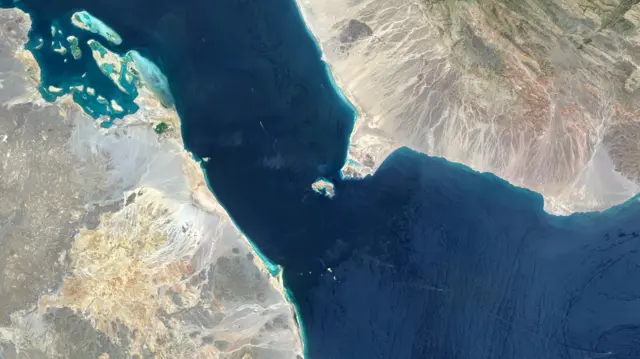
Bloomberg revealed new Saudi efforts to reorganize oil export routes amid ongoing disruptions to navigation in the Red Sea and the Gulf of Aden, driven by challenges that Yemeni attacks and restrictions pose to Saudi-linked shipping.
According to an analytical report by the agency, Riyadh has turned to alternative logistical options to transport crude shipments, including utilizing foreign oil tankers operated by major shipping companies from Greece, South Korea, and Norway.
From Yanbu to Ain Sokhna
The report noted that a portion of these shipments originates from the port of Yanbu on Saudi Arabia’s Red Sea coast before being transported to the port of Ain Sokhna in Egypt—a route designed to avoid reliance on traditional maritime paths most vulnerable to disruption.
The process does not end when the tankers reach Egypt; the oil is moved from Ain Sokhna via the SUMED pipeline, which traverses Egyptian territory to the Mediterranean coast.
From there, shipments can be transferred to Mediterranean ports, led by the port of Sidi Kerir, in preparation for reloading and routing to international markets and clients.
A More Complex and Costly Route
Bloomberg views this shift in oil transit routes as a sign of growing pressure on the Saudi export sector, compelling Riyadh to adopt far more complex logistical arrangements compared to traditional routes.
This comes at a time when shipping traffic across the Red Sea and the Gulf of Aden faces widespread turmoil, alongside persistent concerns regarding attacks targeting vessels linked to Saudi Arabia and its associated interests.
Saudi Arabia Hunts for Export Alternatives
Data provided by the agency indicates that Riyadh is attempting, through these mechanisms, to sustain the flow of its crude exports and maintain access to global markets despite the headwinds facing standard maritime transit lanes.
Relying on foreign tankers, pipelines, and Egyptian ports inserts additional stages into the crude supply chain, rendering export operations more intricate and costly. However, it provides an alternative path to direct reliance on Red Sea and Bab al-Mandab shipping routes.
Redrawing the Oil Export Map
These developments highlight an accelerating shift in the Saudi oil transit map as Riyadh searches for alternative corridors capable of mitigating maritime disruption risks while preserving export flows to global buyers.
Consequently, the Red Sea shipping crisis appears to be pushing Saudi Arabia to recalibrate its logistical calculus, leaning more heavily on Egyptian ports, the SUMED pipeline, and foreign tankers as part of extraordinary measures to navigate the fallout of the crisis.