UK Report: Washington Seeks Exit Strategy for Gulf Military Bases Amid Escalating Risks
Pentagon evaluates redistributing regional forces to lessen vulnerability... Gulf exit emerges as a more rational option
NYN | Reports and Analyses
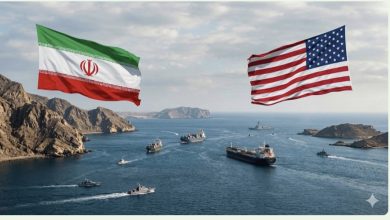
A British newspaper reported that U.S. Department of Defense (Pentagon) planners are evaluating a range of scenarios to redeploy American forces in the Gulf region, aiming to ensure a more dispersed posture and reduce the likelihood of targeted attacks.
According to the report, one option under consideration involves adopting a more flexible, decentralized deployment model designed to make it harder for adversaries to locate and strike U.S. assets. However, implementing this strategy continues to face major hurdles and has yet to materialize into a fully developed contingency plan.
Washington’s Options Facing a Complex Military Reality
The newspaper explained that growing discussions within U.S. military circles regarding the future of bases in the Gulf reflect a highly complex reality on the ground, driven by the escalating threats confronting the U.S. military presence in the region.
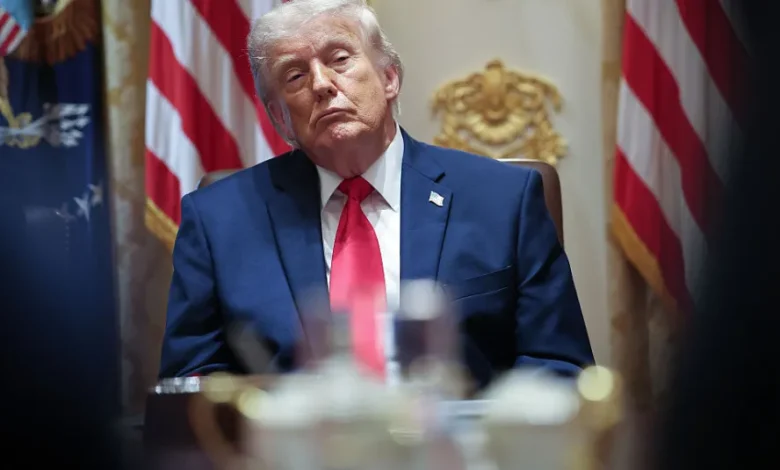
It noted that the administration of President Donald Trump finds the U.S. military facing a difficult dilemma: maintaining current force deployments elevates risk levels, while repositioning or pulling out presents significant strategic and political challenges.
Gulf Withdrawal Emerges as a Viable Option
The report concluded that withdrawing U.S. forces from the region could, under current circumstances, emerge as one of the most rational choices for mitigating risks facing American personnel and bases.
The analysis suggests that pursuing a policy of escalation could expose Washington to even greater burdens and hazards, at a time when questions are mounting over the ability of U.S. military bases in the Gulf to sustain their traditional role within a rapidly changing security environment.
An Uncertain Future for U.S. Bases
This environment pushes the U.S. military footprint in the Gulf into a phase of strategic recalculation, with the Pentagon searching for a formula to minimize force vulnerability while long-term strategic alternatives remain incompletely defined.
Thus, the future of U.S. bases and forces in the region appears increasingly tied to Washington’s ability to balance projecting military influence against curbing the compounding risks driven by developments on the ground.