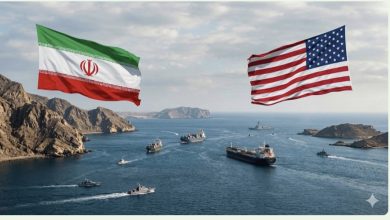
UAE Struggles to Regain Investor Confidence Amid Fallout from War on Iran
Impacts of maritime disruption, military strikes, and investor anxiety weigh on aviation, tourism, real estate, transport, and energy sectors in the UAE economy
NYN | Reports and Analyses
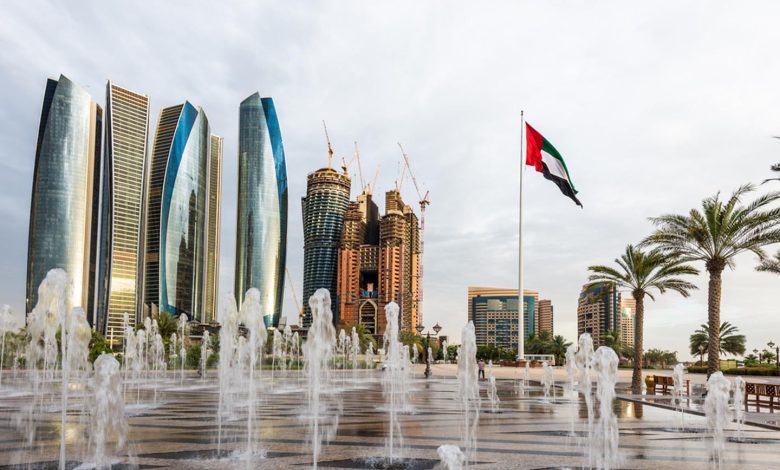
Lebanese newspaper Al-Akhbar has revealed mounting economic fallout for the UAE economy stemming from the war on Iran. It noted that Abu Dhabi is facing three primary headwinds dragging down its economic sectors, at a time when regaining investor confidence is becoming increasingly difficult due to the psychological toll of the conflict and persistent uncertainty over the region’s trajectory in the Gulf.
According to the newspaper, the chief pressure factors include the disruption of shipping through the Strait of Hormuz, direct Iranian targeting of certain Emirati facilities, and the psychological impact of the war on investors and financial markets—a factor whose repercussions could extend well beyond the subsidence of military operations.
Three Factors Weighing on the UAE Economy
Al-Akhbar clarified that navigation disruptions in the Strait of Hormuz have spilled over into trade, transport, insurance, and freight costs. Meanwhile, military strikes have heightened anxieties surrounding the business and investment climate in the UAE.
The third and most sensitive factor over the medium term is the decline in investor confidence, driven by concerns over ongoing regional military tensions and the potential for wider escalation.
Expected Slowdown in Non-Oil Sector Growth
These developments carry strategic significance for the UAE given the substantial weight of the non-oil sector in its broader economy.
Citing data from the Central Bank of the UAE, the newspaper noted that non-oil GDP grew by roughly 6.8% last year, compared to approximately 4.3% growth in the oil sector following OPEC+ production quota adjustments.
However, a Central Bank report released last June projects non-oil GDP growth to slow to around 1.9%, weighed down by contractions across key economic activities—led by logistics, tourism, travel, and real estate.
Losses in Tourism and Real Estate
The report highlighted that the travel and tourism sector is coming under pressure from hotel booking cancellations and reduced flight traffic to and from UAE airports, while real estate activity has similarly suffered from weakening demand.
Al-Akhbar cited estimates indicating that Dubai home sales fell by nearly 45% in the second quarter of this year compared to the same period last year, alongside a drop in UAE employment levels for the first time in four years.
Rising Insurance and Freight Costs
The fallout goes beyond direct losses to encompass indirect costs: rising insurance premiums, shipping rates, and fuel expenses; deferred investments; increased spending on security measures; and the higher cost of rerouting trade and oil flows.
The newspaper views these expenses as an added burden on sectors heavily reliant on international trade flows and supply chain logistics.
Investor Confidence: The Primary Challenge
According to the analysis, the foremost challenge confronting the UAE government in the upcoming period will be restoring investor confidence—a task that remains tied to how security and political dynamics unfold across the Gulf and the wider region.
Al-Akhbar suggests that the psychological shock to investors and capital markets may not end with the cessation of military hostilities, as lingering geopolitical risk concerns could influence investment decisions over a longer horizon.
Five Sectors Feeling the Shock
The newspaper identified five primary sectors displaying the sharpest economic impact from the conflict:
• Aviation & Airports: Strained by flight disruptions and diminished travel demand.
• Tourism & Hospitality: Impacted by hotel cancellations and reduced visitor arrivals.
• Maritime Transport, Trade & Re-exports: Hindered by navigation bottlenecks and surging shipping and insurance costs.
• Oil & Gas: Affected by disruptions to regional energy transit and logistics.
• Real Estate, Investment & Employment: Softened by declining investor sentiment and broader economic slowdown.
Ultimately, the economic consequences of the war on Iran for the UAE extend far beyond immediate operational losses. They reach deep into operational costs, trade dynamics, tourism, and real estate, ultimately hitting the single most sensitive element for Abu Dhabi: maintaining investor confidence in an environment defined by escalating geopolitical friction.