Former US Official: Iran Restores Half of Its Missile Arsenal; Confrontation Enters a New Strategic Phase
McMaster: Tehran has rebuilt approximately 50% of its missile stockpile and is using the Strait of Hormuz as leverage in a conflict that has not ended despite the ceasefire
NYN | Reports and Analyses
Former U.S. National Security Advisor H.R. McMaster confirmed that the confrontation between the United States, “Israel,” and Iran did not end with the announcement of the ceasefire. Instead, it has entered a new phase characterized by military repositioning and escalating strategic competition between the parties.
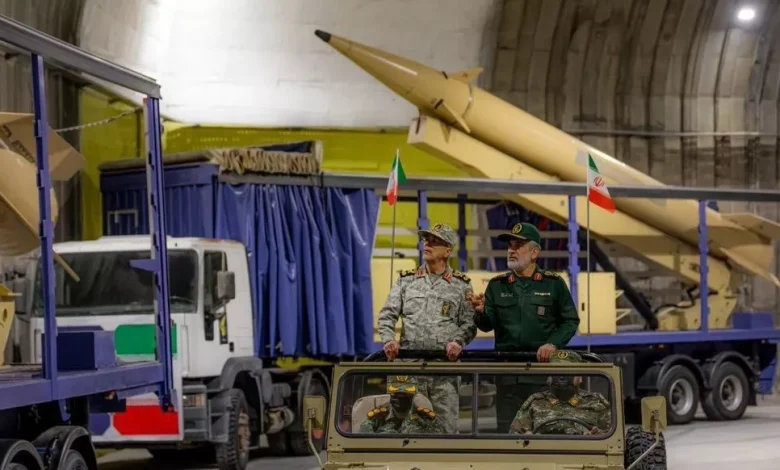
CBS News quoted McMaster as saying that Iran has managed over the past period to rebuild a significant portion of its military capabilities. He noted that Tehran has restored nearly 50% of the missile stockpile it possessed before the outbreak of the war, coinciding with the continuous development of its missile and drone programs.
Rebuilding Military Capabilities
The former U.S. official explained that Tehran continues to accelerate the strengthening of its military apparatus, focusing on rehabilitating its missile arsenal and developing its offensive capabilities as part of its preparations for any future developments or confrontations in the region.
He added that these steps reflect Iran’s success in reclaiming a major aspect of its military power, despite the pressures, sanctions, and military operations experienced in the recent period.
Disputes Over Understandings Between Washington and Tehran
McMaster pointed out that the understandings reached between the United States and Iran appear unstable, explaining that both sides offer differing interpretations of the agreement’s terms. This variance threatens its sustainability and increases the likelihood of renewed tension.
He noted that this disparity reflects the persistence of fundamental disagreements between the two sides, despite efforts aimed at containing the escalation.
The Strait of Hormuz at the Heart of the Conflict
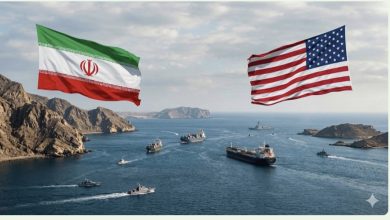
McMaster emphasized that the epicenter of the strategic competition has shifted to the Strait of Hormuz, which Iran views as one of its most critical leverage cards in confronting the United States and its regional allies.
He explained that Tehran seeks to utilize its influence in the strait by targeting vessels or exerting pressure on regional allies. This aims to impact rival alliances and buy the necessary time to complete the reconstruction of its military capabilities, amid ongoing regional tension despite the cessation of direct military operations.