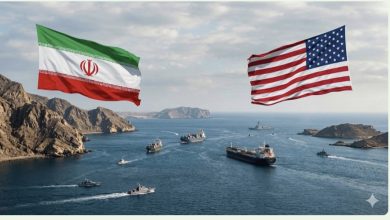
Occupation Admits Failure: Upcoming U.S.-Iran Agreement Leaves Tel Aviv Outside the Equation
Israeli reports indicate a decline in Tel Aviv's ability to influence developments and warn of broad political, economic, and military gains for Tehran.
NYN | Reports and Analyses
Israeli media outlets have revealed growing concern within the political and military circles of the Israeli establishment following the announcement that a strategic agreement between the United States and Iran is nearing completion. According to these reports, the development reflects a significant Israeli failure to achieve its strategic objectives and highlights a decline in its ability to influence regional and international decision-making processes.
Sharp Criticism of Netanyahu
The Hebrew-language newspaper Maariv, in a report by its military correspondent Avi Ashkenazi, stated that the anticipated agreement represents a severe political blow to the Israeli government. The report noted that Prime Minister Benjamin Netanyahu is expected to explain to the public why his government was unable to prevent this course of events or influence the terms of the agreement.
The newspaper added that Israel has shifted from being an influential player to a party that merely receives the outcomes of U.S.-Iranian understandings, as military and political developments in the region have become increasingly linked to the ongoing negotiations between Washington and Tehran.
Concerns Over Broad Iranian Gains
According to Israeli analyses, the expected agreement includes arrangements related to the opening of the Strait of Hormuz and the management of Iran’s enriched uranium program. At the same time, Iran’s missile capabilities and nuclear facilities are expected to remain intact, alongside the possibility of releasing frozen Iranian assets and allowing a broader resumption of Iranian oil exports.
Israeli circles believe that these developments would provide Tehran with substantial economic and political gains and strengthen its regional and international standing, particularly in light of its growing relations with Russia and China.
Security Concerns Over Financial Flows to Tehran
In the same context, Israel’s i24 News quoted political and security officials criticizing the anticipated agreement, arguing that it does not provide sufficient guarantees to halt uranium enrichment or limit support for Iran-aligned groups in the region.
The officials stated that any significant financial inflow to Iran could contribute to enhancing its military capabilities, expanding its defense programs, and strengthening its regional allies.
Meanwhile, Israel’s Channel 13, in a report by military analyst Or Heller, warned of potential economic and military consequences of the agreement. The report pointed to concerns within the Israeli military establishment that Tehran could use the expected funds to further develop its missile infrastructure and reinforce the protection of its strategic facilities.
Declining Israeli Influence
Hebrew-language reports also asserted that Israel had failed to persuade the U.S. administration to adopt a tougher stance toward Iran or to link any new understandings to security issues related to Lebanon and the broader region.
Israeli media view the anticipated agreement as evidence of a shift in the balance of political influence, with Tehran successfully establishing itself as a key player in any future regional arrangements, while Tel Aviv faces growing security and political challenges.
A New Phase of Regional Balances
The debate comes at a time when the region is undergoing rapid transformations, amid widespread anticipation regarding the outcome of the expected U.S.-Iran understandings and their implications for regional security, energy markets, and international maritime navigation in the coming period.