Reuters: Stalled War Ending with Iran Places Trump Before Difficult Choices Between Escalation and Negotiation
Continued tensions in the Gulf and the collapse of the temporary truce diminish the US administration's options amid mounting political and economic pressure on the American president.
NYN | Reports and Analyses
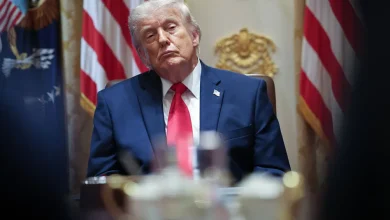
Reuters confirmed that US President Donald Trump faces mounting challenges in his efforts to end the confrontation with Iran. Following the collapse of the temporary truce and the continuation of reciprocal attacks, the US administration finds itself confronted with highly complex choices between military escalation or a return to the negotiating table.
The agency stated that recent developments on the ground over the past few days have narrowed the White House’s room for maneuver. This comes after attempts to stabilize the ceasefire failed, bringing tensions back to the forefront and raising concerns about a prolonged conflict.
Domestic Pressures on the Trump Administration
Reuters explained that while Trump seeks to achieve gains regarding Iran’s nuclear program, this objective clashes with growing political pressures within the United States. This is driven by the rising human and economic costs of the war, alongside declining public approval ratings for the president as the congressional midterm elections approach.
Observers believe that continued military operations could increase the political and economic burdens on the US administration, making a diplomatic breakthrough more urgent despite the difficulty of current circumstances.
The Strait of Hormuz Further Complicates the Scene
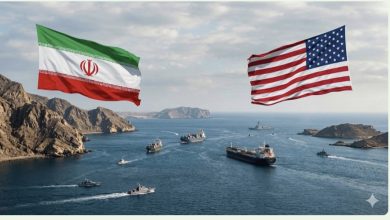
The agency pointed out that disputes linked to the future of the Strait of Hormuz and freedom of maritime navigation represent one of the most prominent obstacles to any potential settlement. This comes as Iran holds fast to its strategic positions and rejects American pressure regarding security and military files.
The strait is considered one of the most vital arteries for global energy trade, making any escalation in the region a matter of intense focus and monitoring by global markets and major powers.
A Scenario of Protracted Tension
Reuters quoted analysts stating that the most likely scenario for the upcoming phase consists of a state of continued tension and instability, characterized by limited and intermittent confrontations, rather than reaching a comprehensive peace agreement or a final settlement in the near term.
Experts believe that the regional landscape will remain open to several possibilities given the complexities of the political and military files, as well as the continued divergence of positions among the parties involved. This makes a definitive resolution to the crisis highly unlikely at the present time.