The Washington Post: Gulf States Reeling After the Iran War as Trump Presents Allies With a Costly Bill
Report Reveals Growing Frustration Across Gulf Capitals Over Washington's Policies Amid Fears of Long-Term Economic and Security Consequences and Pressure on Allies to Shoulder the Costs of the War Against Iran
NYN | Reports and Analyses
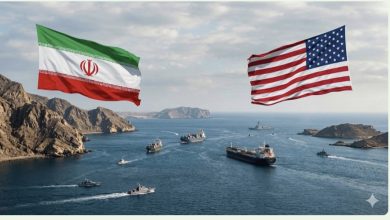
The Washington Post has reported growing concern and frustration among Gulf governments following the U.S.-Israeli war against Iran, saying that Gulf states—particularly Saudi Arabia and the United Arab Emirates—are facing mounting political and economic repercussions that could persist for years.
According to the newspaper, discussions taking place behind closed doors in Gulf capitals reflect a sense of shock over the way President Donald Trump’s administration handled its regional allies during the crisis, followed by what officials perceive as indirect expectations that they should bear the bulk of the financial and economic costs arising from the war and its aftermath.
Trump’s Remarks Spark Controversy
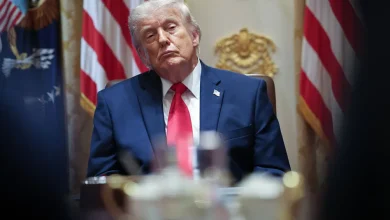
The report highlighted remarks made by Trump during his meeting with UAE President Sheikh Mohamed bin Zayed Al Nahyan on the sidelines of the G7 Summit, when he jokingly told him that he “didn’t need to raise his voice because he was wealthy enough to hear him.”
Analysts cited by the newspaper interpreted the comment as an indication of the financial commitments Gulf states may be expected to undertake as part of the post-war regional arrangements.
Growing Gulf Discontent
According to The Washington Post, Gulf officials have refrained from publicly criticizing Washington. However, in private meetings they have voiced increasing frustration over being pushed to the forefront of the confrontation with Iran, only to find themselves expected to absorb much of the war’s economic and financial burden.
In this context, the report pointed to an open letter published by Emirati businessman Khalaf Al Habtoor, in which he criticized Trump’s decision to draw the region into war, reflecting what the newspaper described as widespread frustration within Gulf business circles.
Concerns Over the Economy and Regional Stability
The newspaper quoted Nasser Al Shaikh, a former Emirati official and economist, as saying that Gulf countries now feel compelled to continue cooperating with the United States—not because they retain the same confidence in Washington’s security guarantees as in the past, but because they fear the United States could abandon them or use them as bargaining chips in negotiations with its adversaries.
The report also cited testimony from government officials and business leaders describing the direct impact of the conflict on economic activity. They said commercial operations had been severely disrupted and that, within a matter of weeks, the region had transformed from a thriving commercial hub into an area dominated by drones and missile attacks.
Declining Confidence in Washington
The Washington Post concluded that the optimism that initially prevailed across the Gulf following Trump’s return to the White House has begun to fade noticeably. According to the report, a growing number of government officials and business leaders now believe that the administration’s recent policies pose a greater threat to regional stability and economic prosperity than a source of support for Washington’s traditional allies in the Gulf.