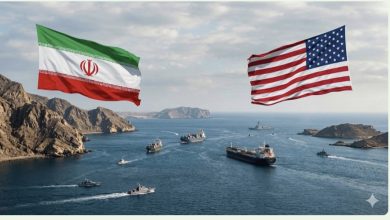
U.S. Report: Washington Emerges from the Iran War with Strategic Losses While Tehran Becomes Stronger and Wealthier
A $300 Billion Reconstruction Fund Sparks Debate as Western Estimates Point to U.S. Attrition and Enhanced Iranian Capabilities
NYN | Reports and Analyses
An American writer has argued that the recent war against Iran ended with outcomes contrary to the objectives Washington declared at the outset of the confrontation. According to the author, Tehran emerged from the conflict with greater potential for economic recovery, while the United States incurred significant military, economic, and political costs.
The writer noted that proposals currently under discussion include the establishment of a reconstruction fund for Iran worth up to $300 billion. He added that U.S. officials told journalists that the disbursement of these funds would be tied to “performance-related” conditions, a description he characterized as vague and potentially opening the door to new disputes and bargaining between the two sides.
He further argued that, despite the damage inflicted within Iran, the war could provide Tehran with an opportunity to restore its economic strength through massive financial inflows. Meanwhile, the United States would face challenges related to the depletion of its weapons and ammunition stockpiles, as well as direct economic repercussions for American citizens, particularly in the energy sector and fuel prices.
Doubts About U.S. Calculations
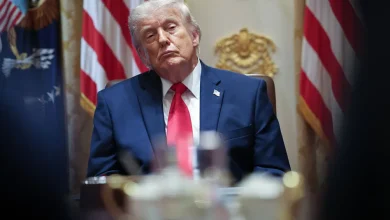
The writer pointed out that the Iranian leadership views repeated American threats with skepticism, arguing that it would be difficult for U.S. President Donald Trump to engage in another military confrontation as midterm elections approach and public support for a new foreign conflict declines.
He also noted that international markets have shown increasing sensitivity to ongoing military tensions, placing additional pressure on the U.S. administration to seek political solutions rather than expand the scope of confrontation.
A Critical Conclusion on Trump
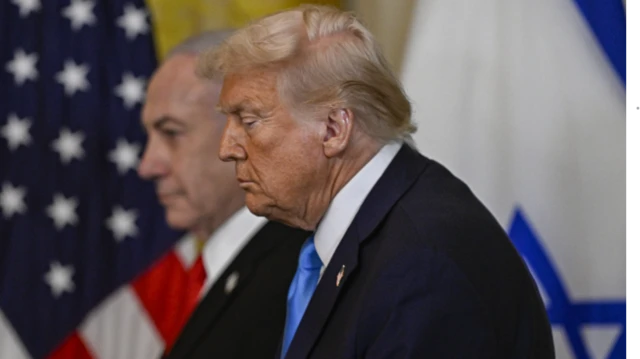
In the conclusion of his article, the writer argued that Trump began the war promising to overthrow the Iranian government and impose an unconditional surrender on Tehran. However, according to his assessment, the final outcome failed to achieve those objectives.
Instead, he contended, the United States appeared as the party that bore the burdens of the conflict without securing decisive strategic gains.
The writer concluded that the war ended without any fundamental change to the structure of Iran’s political system, while Washington now faces growing questions regarding the cost of the confrontation and its political and military value.