British Warning: Trump’s Rush Toward a “Easy War” with Iran Could Turn into a Strategic Disaster
Financial Times: Large U.S. troop deployments in the Middle East reflect overconfidence in quick victories… Any confrontation with Tehran would expose fragile objectives and the difficulty of protecting Israel
NYN | Reports and Analyses
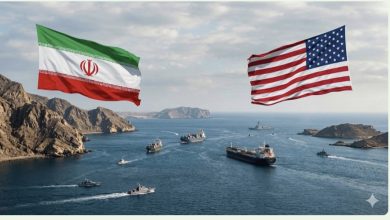
The British newspaper Financial Times has warned that U.S. President Donald Trump’s push toward what he describes as “easy wars” could lead the United States into a strategic trap with serious consequences—particularly if it becomes directly involved in a military confrontation with Iran.
In a recent political analysis, the newspaper noted that Trump, who pledged in his inauguration speech not to engage in new wars and to focus on ending existing conflicts, appears to have shifted course. This shift is reflected in the reinforcement of the U.S. military presence in the Middle East—a move that, according to the paper, signals growing confidence in achieving quick and low-cost victories.
Complex Objectives… and Unlikely Military Resolution
The newspaper argued that any military campaign against Iran carries far greater risks than previous U.S. military engagements, given the multiplicity and ambiguity of its potential objectives. These range from halting Iran’s nuclear program and undermining its missile capabilities to regime change and reducing Tehran’s regional influence.
The analysis stressed that such goals cannot be achieved through military force alone, warning that a slide into a prolonged conflict would drain American resources, expose the limitations of defense systems, and confront Washington with unprecedented challenges in protecting its allies—foremost among them Israel.
Different Iranian Calculations Under Existential Threat
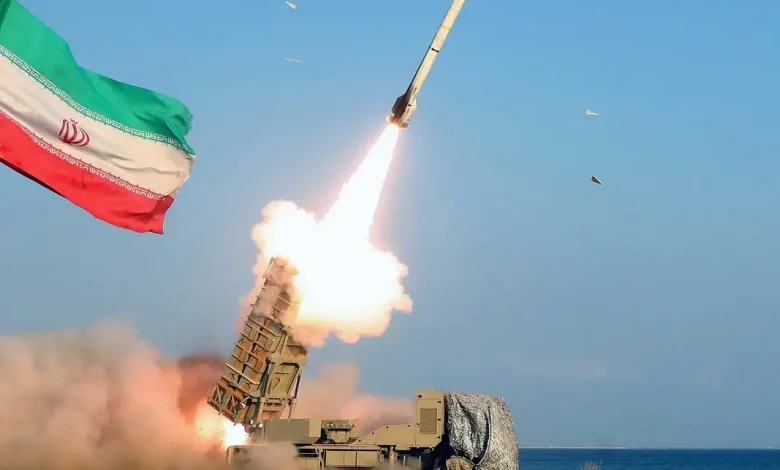
According to the newspaper, what it previously described as Iran’s “desire to avoid escalation” could dissipate entirely if Tehran perceives a direct existential threat. In that case, the analysis suggests, Iran may resort to broader and more severe options—raising the level of risk and increasing the likelihood of regional spillover.
Fears of a Slide into a Larger Adventure
The newspaper concluded that even a limited military success could encourage the U.S. administration to pursue further adventures. It argued that the collapse of Iran—should it occur—would dramatically reshape the regional balance of power, with wide-ranging geopolitical repercussions.
It emphasized that betting on a “quick victory” in a complex arena such as Iran could ultimately become a heavy burden on Washington, opening the door to scenarios that would be difficult to contain, both politically and militarily.