New Poll: Majority of Americans Oppose Strikes on Iran, Only 27% Support Them
Reuters Survey Reveals Deep Domestic Divisions and Fears of Military and Economic Consequences
NYN | Reports and Analyses
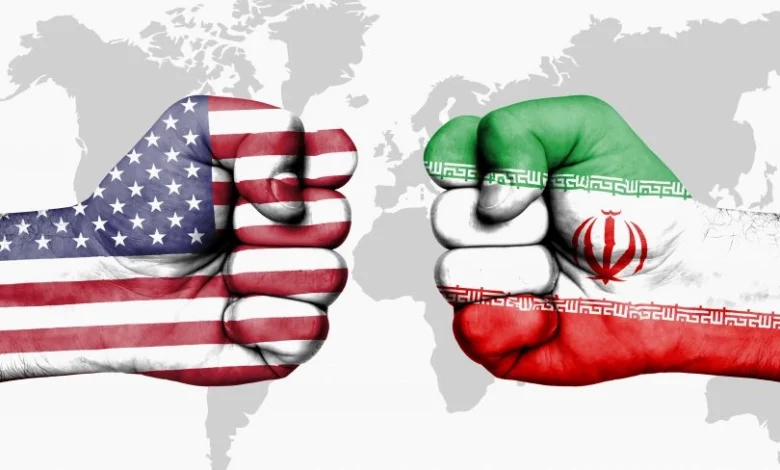
A recent opinion poll conducted by Reuters and concluded on Sunday shows that a majority of Americans oppose the military strikes targeting Iran, signaling growing public concern about involvement in a new military confrontation.
According to the survey results, only 27% of respondents expressed support for the strikes carried out under President Donald Trump, while 43% stated clear opposition. Meanwhile, 29% said they had not yet formed a definite opinion, reflecting a state of division and hesitation within American public opinion.
High Level of Awareness
The poll indicated that the military operations have drawn widespread attention within the United States, with about 90% of respondents saying they had heard about the strikes, underscoring the high level of public interest in developments in the region.
In the same context, 56% of Americans believe that President Trump is “very ready” to use military force. This assessment is not limited to opponents, but also includes a segment of Republicans, reinforcing internal debate over the current administration’s foreign policy direction.
Fears of Casualties and Rising Prices
Concerns about potential casualties among U.S. forces topped the list of public anxieties, alongside worries about possible economic repercussions, particularly rising fuel prices.
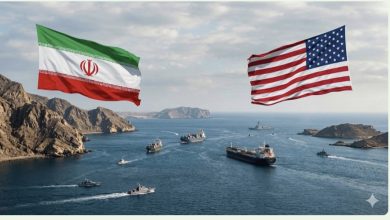
Many respondents fear that any escalation in the Strait of Hormuz and the Red Sea could disrupt global energy supplies, directly impacting the American domestic economy through inflation and higher living costs.
Mounting Political Pressure
The poll results come at a time when Trump faces increasing political pressure, especially given that his previous campaign rhetoric emphasized avoiding foreign wars.
Observers believe that continued military operations could revive memories of controversial episodes in U.S. foreign policy and place the administration under significant domestic strain should the confrontation expand or become prolonged.