The Washington Post: Massive U.S. Military Buildup Prepares to Expand Confrontation with Iran Under Diplomatic Cover
Military reinforcements numbering tens of thousands and an aircraft carrier at the center of deployments… naval escalation threatens regional shipping
NYN | Reports and Analyses
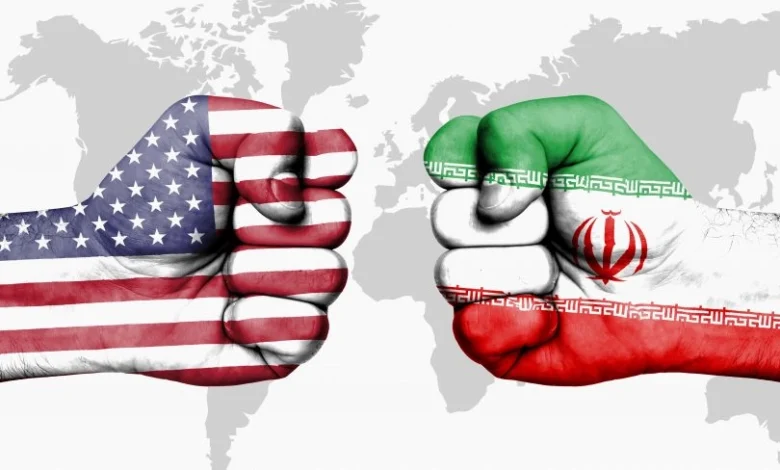
The The Washington Post has revealed large-scale U.S. military movements in West Asia, indicating a potential escalation ahead of the end of the truce with Iran, amid what it described as a “deceptive” diplomatic track being used to increase military pressure and impose new conditions.
Massive Military Reinforcements in the Region
According to the report, the United States is preparing to deploy thousands of additional troops as part of a plan that includes sending around 6,000 soldiers aboard the aircraft carrier USS George H.W. Bush, along with more than 4,200 Marines from the “Boxer” amphibious ready group.
Estimates suggest that total U.S. troop levels in the region could rise to approximately 50,000 personnel, reflecting an expansion of military options and heightened readiness for any potential scenario.
Naval Blockade and Field Escalation
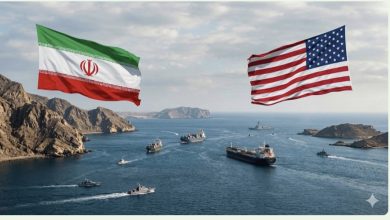
This buildup coincides with Washington imposing a naval blockade on vessels linked to Iran, whether heading to or departing from its ports. U.S. forces have already begun interception and inspection operations in the Arabian Sea and the Gulf of Oman.
Observers say these measures represent a direct escalation that could further heighten tensions in one of the world’s most critical maritime corridors.
Iranian Threats and Possible Expansion of the Conflict
In response, Tehran has escalated its rhetoric, warning of widening the confrontation and disrupting navigation in the Arabian Gulf and the Red Sea, opening the door to more complex scenarios, especially if inspections intensify or the blockade continues.
Military assessments warn that any confrontation could take unconventional forms, given Iran’s possession of multiple tools to respond in strategic maritime chokepoints.
Negotiations Between De-escalation and Explosion
Despite the escalation, negotiations remain the decisive factor in shaping the crisis trajectory, as the region fluctuates between de-escalation opportunities and the risk of sliding into open conflict amid continued military pressure and conflicting political messaging.
The report concludes that the combination of military buildup and diplomatic engagement reflects a dual-track strategy aimed at imposing a new on-the-ground reality while keeping negotiations open under stricter conditions.