U.S. Escalation Against Tehran Risks Internationalizing the Conflict: British Analysis Warns Hormuz Blockade Could Trigger Indirect Confrontation with China
Economic pressure strategy collides with complex international shipping routes and Beijing’s interests in the Gulf
NYN | Reports and Analyses
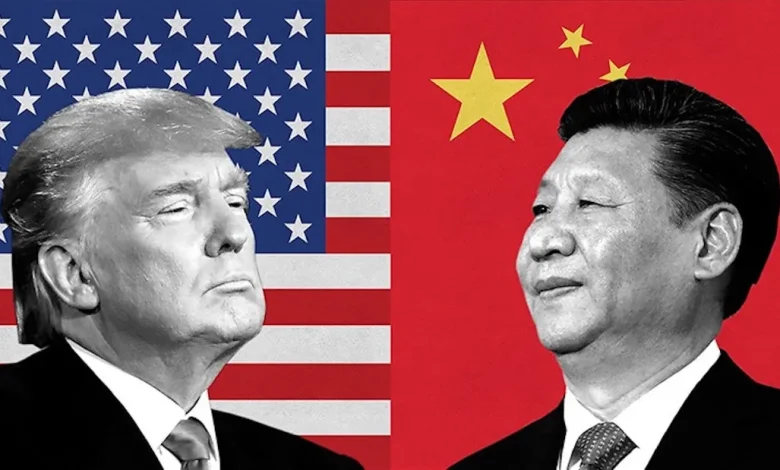
The The Times warned in an analysis by columnist Roger Boyes that the escalation led by U.S. President Donald Trump’s administration against Iran could extend beyond the regional framework and open the door to a broader international crisis, potentially including confrontation with China.
Risk of Internationalizing the Crisis Through the Strait of Hormuz
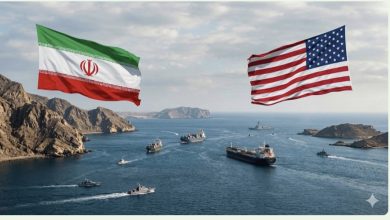
The analysis noted that the plan to impose a naval blockade on the Strait of Hormuz—while presented as a conventional pressure tool against Tehran—carries complex strategic risks due to the overlapping international interests in this vital maritime corridor.
It explained that any interception of vessels linked to China or Chinese energy and trade companies could lead to direct friction between Washington and Beijing, raising the risk of uncontrolled escalation.
U.S. Bet on Economic Pressure
The analysis stated that the Trump administration is betting on using a naval blockade as an economic pressure tool to force Iran back to the negotiating table. However, this assumption relies on achieving rapid results—an outcome the writer considers uncertain given the complexity of the situation.
Iranian Response Capabilities Complicate Calculations
It further noted that Iran possesses a range of retaliatory tools that could disrupt any attempted blockade, including fast boats, naval mines, and drones, making enforcement significantly more costly and complex.
Military Challenges for Washington
The analysis emphasized that an effective naval blockade requires extensive military deployment and substantial naval power, which has not yet been fully achieved, weakening the likelihood of success in the near term.
China Enters the Equation
The analysis concluded by warning that any disruption to Chinese interests in the Gulf—particularly in the energy sector—could prompt Beijing to respond directly or indirectly, potentially transforming the crisis from a limited regional dispute into a confrontation between major powers that would be difficult to contain.