The Wall Street Journal: Washington Accelerates Military Operations Amid Fears of Depleting Interceptor Missile Stockpiles
Pentagon concerns over potential shortages of THAAD, Patriot, and SM-3 systems if confrontation with Iran is prolonged
NYN | Reports and Analyses
A report by The Wall Street Journal revealed that the United States is working to accelerate and intensify its military operations amid the escalating confrontation with Iran, as growing concern mounts within the U.S. Department of Defense over the potential depletion of interceptor missile stockpiles and precision-guided munitions should the conflict persist.
According to the report, senior military leaders briefed U.S. President Donald Trump on the risks of declining strategic reserves, particularly air defense missiles used to counter ballistic missile and drone attacks. This has prompted military leadership to seek a swift resolution to the confrontation before critical shortages of vital munitions emerge.
A Race Against Time to Replenish Stockpiles
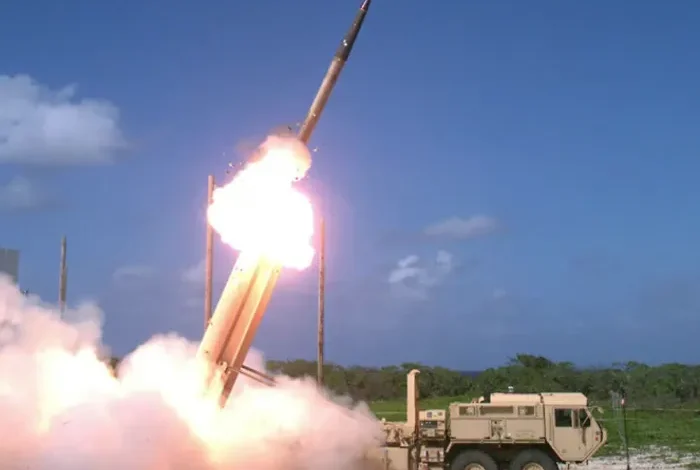
The newspaper noted that the Pentagon is urgently seeking to replenish its air defense systems inventory, foremost among them the THAAD system, the MIM-104 Patriot system, as well as the naval RIM-161 Standard Missile 3 (SM-3) and Tomahawk cruise missiles.
The report cited military experts warning that the current rate of usage of these systems exceeds production and industrial replenishment capacities, potentially creating a gap in U.S. defensive readiness if operations continue at the same pace.
Pressure Extending to the Pacific
The report further indicated that a prolonged war could push Washington to draw from stockpiles stationed in the Pacific region—an option that reflects the mounting strain on the U.S. arsenal, particularly amid strategic calculations concerning the possibility of a future confrontation with China.
Cumulative Strain from Multiple Fronts
This development comes amid cumulative depletion of U.S. and Israeli stockpiles over recent months due to simultaneous rounds of conflict in the region. These include confrontations linked to the war in the Gaza Strip, escalating tensions with Iran, the Red Sea battle, as well as missile and drone attacks targeting sites within the occupied Palestinian territories.
According to the report, the overlap of multiple fronts has accelerated the consumption of interceptor munitions, placing the U.S. military establishment before an unprecedented logistical and industrial challenge should regional escalation continue.