Targeting U.S. Bases Drains Gulf Defenses; Interception Costs Exceed $2 Billion in a Single Day
Researchers: The Battle in Gulf Skies Has Become a War of Attrition Against “Patriot” and “THAAD” Stockpiles Amid Warnings Over Difficult Replenishment
NYN | Reports and Analyses
International researchers told the British outlet Middle East Eye that the high rates of intercepting Iranian missiles and drones conceal enormous financial and strategic costs. These costs go beyond heavy expenditures to include the depletion of U.S. and Gulf missile defense stockpiles alike.
Massive Financial Cost in a Single Day
Researcher Kelly Grieco of the Stimson Center stated that maintaining a high level of defensive readiness imposes substantial financial burdens. She noted that the cost of intercepting attacks in a country such as the United Arab Emiratesduring just the first day could reach approximately $2.028 billion, excluding other Gulf states.
Grieco explained that this scale of sustained attacks had not been anticipated since the Gulf War, raising serious questions about the ability of defense systems to endure a prolonged pace of attrition.
A War of Attrition Rather Than Direct Damage
According to the report, the Iranian strategy appears to center on managing a defensive war of attrition rather than seeking immediate human or material losses. Researchers suggest the focus is on exhausting U.S. and allied missile defense systems in the Gulf through successive waves of missiles and drones.
Concerns Over Interceptor Shortages
The report also referenced recent coverage by The Wall Street Journal regarding difficulties facing Washington in replenishing its layered interceptor missile stockpiles amid accelerating operations.
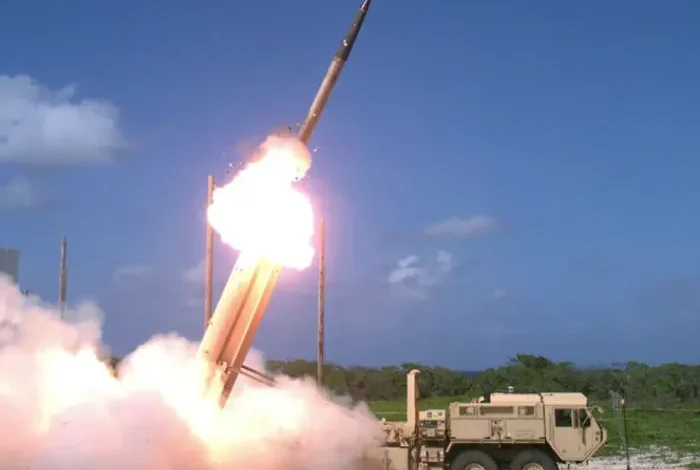
These defense systems include the MIM-104 Patriot and THAAD systems, as well as naval Standard Missile interceptors and long-range Tomahawk cruise missiles.
An Uncalculated Race in Gulf Skies
The report concluded that what is unfolding in Gulf airspace goes beyond a conventional military confrontation. Instead, it reflects an uncalculated strategic race between U.S. and Israeli efforts to undermine Iran’s missile program and Tehran’s attempt to exhaust American missile defense systems in the region—a dynamic that could reshape regional deterrence balances in the coming phase.