British Analysis: War on Iran Could Pave the Way for Israeli Expansion Toward the Gulf
David Hearst: The fall of Iran—if it happens—will not end the conflict but will open a new phase of reshaping the Middle East in favor of Israeli dominance
NYN | Reports and Analyses
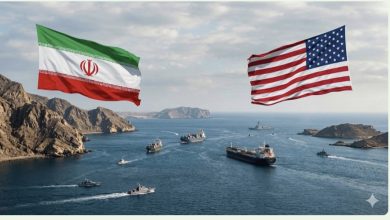
A British analysis has warned that the war being waged by Israel against Iran does not represent a limited military confrontation, but rather forms part of a broader project aimed at redrawing the balance of power in the Middle East—one that could later extend to the Arab Gulf states.
British journalist David Hearst, editor-in-chief of Middle East Eye, said that the fall of the Islamic Republic in Iran—if it occurs—would not mean the end of the conflict, but would instead mark the beginning of a new phase of Israeli regional expansion.
A Diplomatic Ruse Paving the Way for War
Hearst pointed out that the diplomatic track that preceded the attack on Iran was, according to the analysis, merely a political cover designed to buy time and prepare the conditions for a wide-scale military campaign.
He added that Israeli Prime Minister Benjamin Netanyahu had finally succeeded—after nearly 47 years of efforts—in pushing the United States toward a comprehensive Gulf war, a step that previous American presidents had long avoided.
The “Greater Israel” Project
The analysis suggests that this strategy intersects with ideas circulating in Israeli political discourse about the so-called “Greater Israel” project, which—according to that vision—extends geographically from the Nile River to the Euphrates River, ensuring Israeli dominance over large parts of the region.
Hearst also noted that the international alliances supporting Israel are expanding, pointing to the growing role of Indiaunder Prime Minister Narendra Modi. According to the analysis, India has become one of Tel Aviv’s most prominent non-Western partners, both economically and in the field of military industries.
New Alliances and Regional Bases
The analysis further explained that the emerging network of alliances could include other regional actors, such as the region of Somaliland, within arrangements aimed at establishing a broader Israeli military presence across the region through air bases and multiple strategic footholds.
According to Hearst, if such a reality becomes entrenched, it could force some Arab states to accept new geographical and political arrangements amid major shifts in the regional balance of power.
Two Scenarios for the Region’s Future
In conclusion, Hearst argues that the future of the conflict in the Middle East will largely depend on the course of the current war.
If Iran withstands the pressure and manages to prolong the confrontation, the war could turn into a political and military war of attrition for the United States, potentially pushing the parties toward a settlement or a ceasefire.
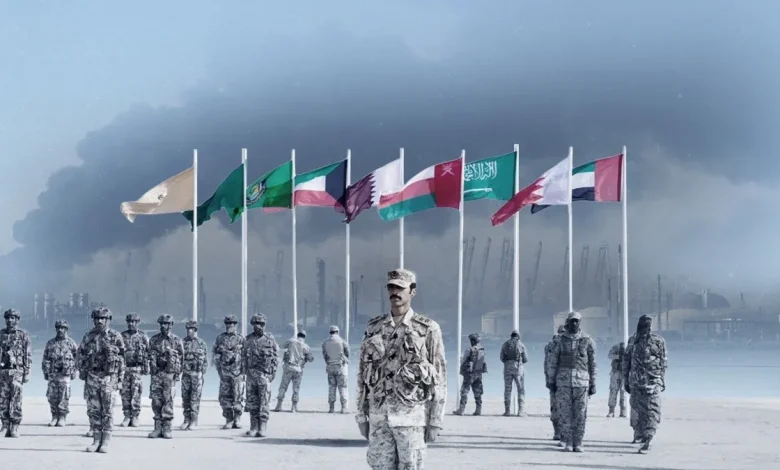
However, if Iran collapses, the analysis warns that the next phase could see the confrontation spreading to other Arab countries—particularly in the Gulf—within a broader process of reshaping the map of influence in the Middle East.